Pharmaceutical Packaging Line Explained: From Filling to Final Packaging
In modern production environments, a pharmaceutical packaging line connects multiple processes into a continuous and controlled workflow. We often see how the efficiency of each stage directly affects product consistency and compliance. From our experience, a well-structured line does not simply move products forward; it ensures that every step, from container preparation to final packaging, follows a logical and stable sequence. When designing systems, we focus on how materials flow, how machines communicate, and how operators interact with the equipment.
From Container Preparation to Filling Accuracy
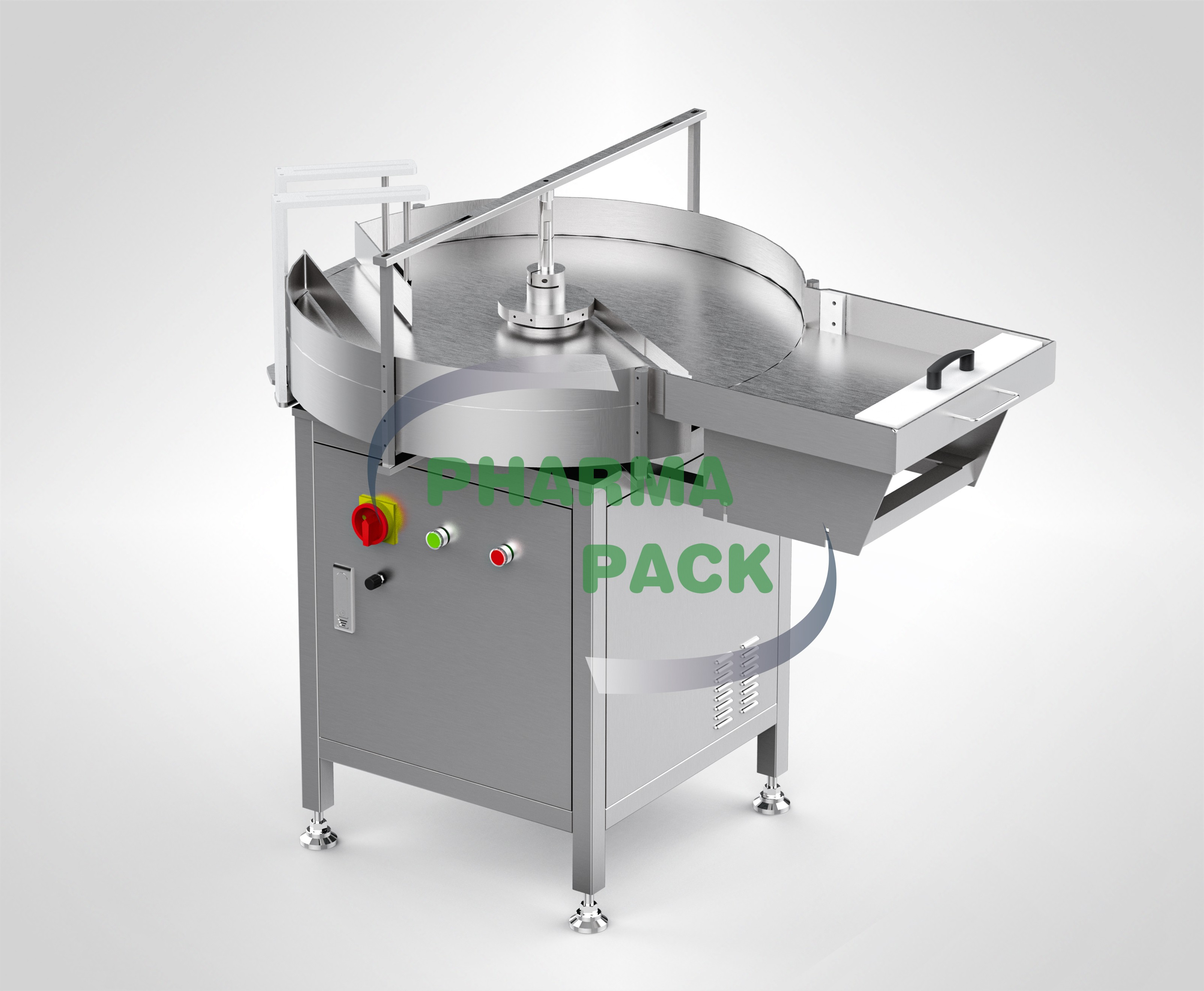
Before filling begins, containers must be sorted and positioned correctly, which is where the bottle unscrambler machine plays an essential role. We use this type of equipment to orient bottles efficiently, reducing manual handling and improving line stability. Once aligned, containers move into filling stations where precision becomes critical. A pharmaceutical packaging line must maintain consistent dosing while adapting to different product characteristics, such as powders, tablets, or liquids. We pay attention to synchronization between feeding systems and filling units to minimize variation and ensure that each container meets production requirements without unnecessary interruptions.
Integration of Inspection and Process Control
After filling, inspection processes help maintain product quality and traceability. In our approach to pharmaceutical packaging line design, we integrate inspection technologies that monitor counting accuracy, sealing integrity, and labeling consistency. These systems work alongside conveying units to maintain a steady rhythm throughout the line. We also consider how data is captured and used for process optimization. By connecting inspection results with upstream equipment, adjustments can be made in real time, reducing waste and improving overall efficiency. This stage is not isolated but part of a broader system that emphasizes coordination between machines.
Final Packaging and System Continuity
The final stages of a pharmaceutical packaging line involve sealing, labeling, and secondary packaging. At this point, we ensure that products are securely packed and ready for distribution. A stable bottle unscrambler machine earlier in the process contributes to fewer disruptions later, as consistent bottle orientation supports smoother downstream operations. We also focus on modular design, allowing different packaging formats to be handled within the same system. As a company with long-term experience in packaging solutions, Pharmapack integrates engineering, research, and service capabilities to support various industries, including pharmaceutical, food, and personal care, while maintaining a balanced approach to system performance.
Conclusion: Building a Reliable Packaging Workflow
A pharmaceutical packaging line is not defined by individual machines but by how each stage connects to form a complete workflow. From the initial role of the bottle unscrambler machine to the final packaging steps, every component contributes to consistency and efficiency. We believe that understanding this process helps manufacturers make informed decisions when selecting or optimizing their systems. By focusing on integration, inspection, and adaptability, we create solutions that align with real production needs while supporting long-term operational stability.