Pharmaceutical Bottle Packaging Line: Key Features and Buying Guide
In modern manufacturing, choosing the right pharmaceutical bottle packaging line is closely tied to product quality, regulatory compliance, and long-term operational efficiency. We often see that production requirements vary widely across pharmaceuticals, food supplements, and personal care products, which makes system flexibility essential. As a manufacturer, Pharmapack focuses on integrating practical engineering with real production needs, helping users better understand how a complete packaging line should function in daily operations.
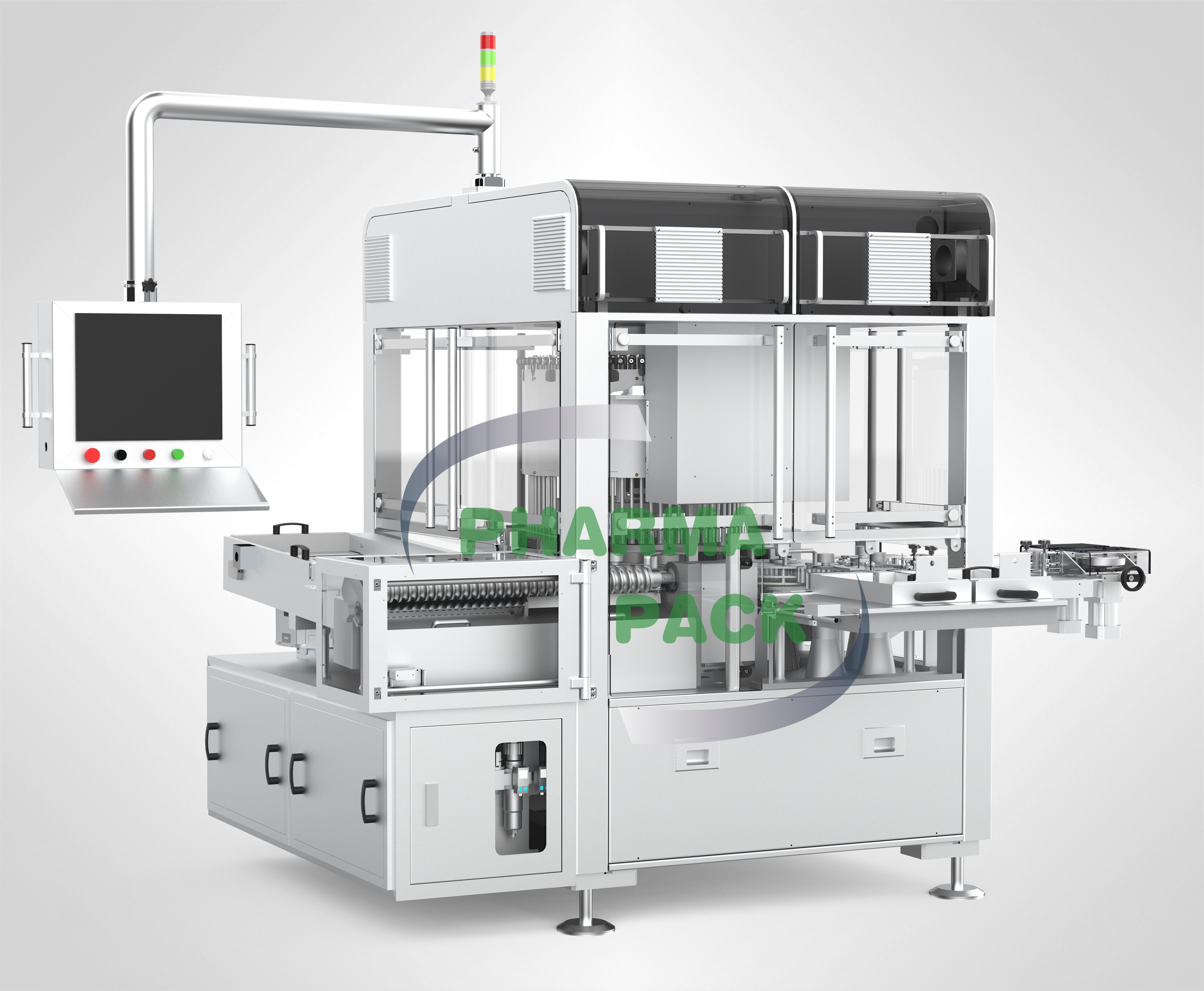
Understanding Core Components in a Packaging Line
A complete pharmaceutical bottle packaging line typically includes bottle feeding, counting or filling, capping, labeling, and inspection processes. Each module must operate in coordination to ensure stable throughput and consistent output quality. For example, bottle alignment and transfer systems directly affect labeling precision and downstream efficiency. In our experience, a well-designed automatic bottle labeler machine plays a key role in maintaining accurate positioning and minimizing mislabeling risks. Additionally, integration between modules allows smoother communication, which reduces manual intervention and helps maintain clean production environments.
Key Features to Evaluate Before Purchasing
When selecting a pharmaceutical bottle packaging line, we suggest focusing on several practical features rather than only output capacity. Servo control systems, for instance, improve motion accuracy and reduce maintenance frequency over time. Modular design is another important factor, as it allows the line to adapt to different bottle sizes or future production changes. The performance of an automatic bottle labeler machine should also be assessed based on labeling consistency, ease of adjustment, and compatibility with various label materials. Beyond equipment, traceability systems and inspection functions are becoming increasingly relevant for compliance and quality assurance.
Matching Equipment with Application Needs
Different industries have distinct requirements, even when using a similar pharmaceutical bottle packaging line. Pharmaceutical applications may prioritize precision and traceability, while food or cosmetic sectors may focus more on packaging appearance and speed. We usually recommend evaluating how the automatic bottle labeler machine integrates with upstream and downstream systems to avoid bottlenecks. At the same time, working with a supplier that offers engineering support and customization can help align the equipment with specific production goals. Our approach is to provide adaptable solutions based on actual usage scenarios rather than fixed configurations.
Conclusion
Selecting the right pharmaceutical bottle packaging line involves balancing technical features, flexibility, and long-term usability. From system integration to the role of the automatic bottle labeler machine, each component contributes to overall efficiency and product consistency. We believe that understanding these key aspects helps businesses make more informed decisions and build packaging processes that remain stable as production demands evolve.