Inserter Machine Changeover: How to Switch Insert Formats with Less Downtime
In pharmaceutical packaging, production schedules often involve multiple products, container sizes, and insert formats. When an inserter machine needs to change from one format to another, the changeover process can directly affect line availability, production efficiency, and packaging consistency. A changeover that takes too long can create unnecessary downtime, while an incorrectly adjusted machine can lead to missed insertions or material waste.
At Pharmapack, we design inserter machines with practical changeover requirements in mind. For applications involving desiccant pouches, cotton, and other inserts, equipment configuration, adjustment methods, and line integration all influence how quickly production can resume.
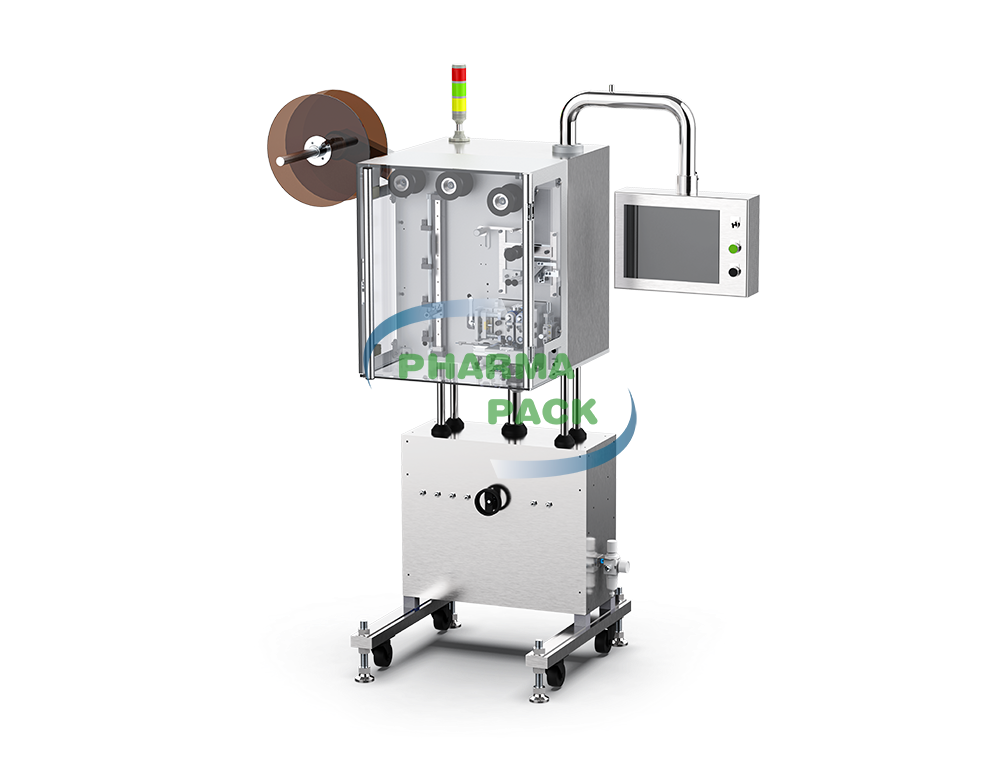
Why Inserter Machine Changeover Matters
Changeover is more than simply replacing one component with another. Different bottle diameters, opening sizes, insert dimensions, and packaging materials may require adjustments to the insertion mechanism.
For manufacturers running multiple products on the same packaging line, frequent format changes can accumulate into significant production losses. Operators may need to adjust guides, nozzles, sensors, feeding parameters, and other components before restarting the line.
A well-designed inserter machine should therefore make these adjustments straightforward and repeatable. Reducing the number of changeover parts can also simplify operator work and reduce the possibility of incorrect installation.
For example, Pharmapack's LFID-06 desiccant inserter is designed with minimal changeover requirements. Different bottle openings can be accommodated by changing the nozzle, helping reduce the time needed to prepare the equipment for another format.
What Should Be Checked During a Format Change?
Before changing an inserter format, operators should first confirm the new product specifications. Bottle diameter, bottle height, opening dimensions, insert type, and required insertion position all influence machine settings.
The feeding system should also be checked. For pouch-based applications, the machine needs to control the movement and positioning of the pouch material before cutting and inserting it. Stable material feeding is important because inconsistent tension or positioning can affect cutting accuracy and insertion performance.
Sensor settings are another important consideration. The machine needs to identify the correct container position before activating the insertion cycle. In automated systems, sensors and PLC controls can work together to coordinate container detection and insertion timing.
For Pharmapack's pouch desiccant inserters, servo-driven systems, PLC controls, and touch-screen operation are used to support controlled and repeatable insertion processes. The LFID-20, for example, is designed to automatically cut desiccant sachets and insert them into bottles, cartons, or bags, with a maximum production speed of up to 200 bottles per minute depending on the application.
How a Pouch Inserter Can Reduce Changeover Time
A pouch inserter must handle both the insert material and the container receiving it. This makes mechanical compatibility particularly important when different packaging formats are processed on the same line.
A practical approach is to standardize the parts that do not need to change while limiting format-specific components to the areas that directly affect insertion. This can reduce the number of parts operators need to remove, clean, adjust, and reinstall.
Parameter management can provide another advantage. Instead of manually adjusting every setting from the beginning, an inserter machine equipped with a suitable HMI and control system can make operating parameters easier to manage for different production conditions.
Pharmapack's desiccant inserter solutions use PLC-based control and touch-screen interfaces, while some models incorporate servo control for feeding and cutting operations. These functions help operators maintain consistent settings when production requirements change.
Changeover Should Also Consider Line Integration
The inserter does not operate in isolation. It normally works alongside equipment such as bottle unscramblers, counters, cappers, sealers, labelers, and cartoners. A changeover that is efficient at the inserter itself can still create delays if upstream or downstream equipment requires extensive adjustment.
This is why the interface between machines should be considered during equipment selection. Pharmapack's bottle packaging solutions integrate inserters with other packaging equipment as part of an automated production line.
Operators should therefore evaluate changeover procedures across the complete line rather than looking only at the inserter. Synchronizing conveyor speed, container positioning, detection signals, and machine parameters can help reduce restart time after a format change.
Designing a More Efficient Changeover Process
Reducing changeover downtime starts with the machine, but the operating procedure is equally important. Operators should have clearly defined adjustment points, identifiable change parts, and repeatable parameter settings.
The selected inserter machine should also match the actual production range. A machine designed for the required bottle sizes, insert formats, and production speed can reduce the need for extensive modifications during normal operation.
At Pharmapack, our inserter range covers pouch desiccant, canister desiccant, cotton, and other insertion applications. Different models are available for different container and production requirements, allowing the insertion process to be considered as part of the overall packaging line rather than as a separate operation.
Make Format Changes Part of the Machine Selection Process
When evaluating an inserter machine, production speed is only one consideration. Changeover time, required change parts, parameter adjustment, operator access, maintenance requirements, and integration with the existing line can have an equally important effect on day-to-day performance.
For operations handling multiple packaging formats, a pouch inserter with practical adjustment features can help make format switching more predictable and manageable. By combining appropriate machine configuration with standardized operating procedures, manufacturers can reduce unnecessary downtime while maintaining consistent insertion performance.
Pharmapack develops inserter machines for pharmaceutical, healthcare, food, and related packaging applications, with solutions covering pouch desiccants, canisters, cotton, and other insertion requirements. Our focus is to provide equipment that can be integrated into complete packaging lines while supporting practical production and changeover needs.