How to Select a Cotton Inserter for Reliable High-Speed Bottle Packaging
For bottle packaging lines handling tablets, capsules, pills, and other dry products, cotton insertion is a small process with a direct impact on packaging consistency. When this step depends on manual operation or equipment that cannot match the speed of upstream and downstream machines, it can become a production bottleneck.
At Pharmapack, we develop inserter machine solutions for automated bottle packaging lines, including cotton, desiccant, and pouch insertion systems. For manufacturers evaluating a cotton inserter, the key question is not simply how fast the machine can run. It is whether the equipment can maintain accurate insertion, adapt to different bottle specifications, and work reliably with the complete packaging line.
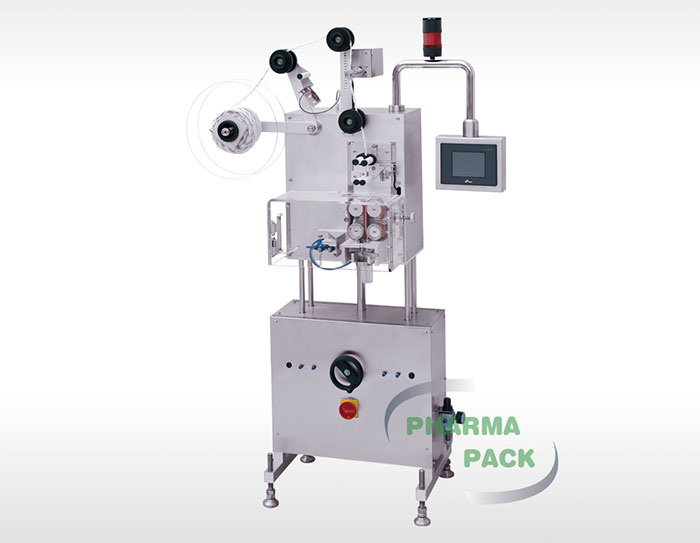
Why Cotton Insertion Can Become a Bottleneck
Cotton is commonly inserted into bottles containing tablets, pills, capsules, and other dry products. Its function is to help stabilize the contents inside the container during handling and transportation. At low production volumes, manual insertion may appear manageable. As line speeds increase, however, maintaining consistent cotton length, placement, and insertion timing becomes more difficult.
An inserter machine automates these operations by feeding, cutting, positioning, and inserting cotton into each bottle. The objective is not only to increase output but also to coordinate the insertion process with bottle conveying and other packaging stages.
A practical cotton inserter therefore needs to match the actual operating conditions of the line rather than simply provide a high nominal speed.
What Should You Check Before Choosing a Cotton Inserter?
The first consideration is production speed. Different bottle sizes and product configurations can affect the actual operating rate. Pharmapack's LFIC series includes models designed for different output requirements. The LFIC-06 has a maximum production speed of 60 bottles per minute, while the LFIC-12 reaches up to 120 bottles per minute. The LFIC-20 is designed for speeds of up to 200 bottles per minute, depending on the product being processed.
Bottle dimensions are equally important. For example, the LFIC-12 accommodates bottle outer diameters from 30 to 100 mm and bottle heights from 40 to 200 mm. These specifications should be compared with the actual container range before selecting a model.
Another important factor is cotton control. A reliable cotton inserter should control the feeding and cutting process accurately so that the prepared cotton pieces can be positioned consistently before insertion. In Pharmapack's cotton insertion process, the cotton is fed through rollers, cut to the required length, transferred to the insertion position, and then pushed into the bottle through an insertion tube.
How Automation Improves Insertion Consistency
The value of an inserter machine becomes clearer when production requirements increase. Automated feeding and positioning reduce the dependence on manual handling and allow the insertion process to follow a defined sequence.
Pharmapack cotton inserters use servo motor control together with PLC systems for controlled operation. The equipment can also incorporate detection functions to coordinate bottle positioning and cotton insertion. For higher-speed applications, the LFIC-20 uses servo control and is designed for continuous bottle packaging operations.
For manufacturers, this type of automation can help address several common concerns: missed insertion, inconsistent positioning, interruptions between machines, and difficulty maintaining a stable production rhythm.
The machine should also be considered as part of the complete line rather than as an isolated piece of equipment. Pharmapack cotton inserters can be connected with automatic tablet or capsule counters, cappers, sealers, labelers, and cartoners. This allows the insertion process to operate within a coordinated bottle packaging system.
Matching the Cotton Inserter to Your Packaging Line
A suitable cotton inserter needs to fit both the container and the surrounding equipment. Before selecting a model, manufacturers should evaluate bottle dimensions, required production speed, cotton specifications, available floor space, and the interfaces between upstream and downstream machines.
Changeover requirements also deserve attention. If one production line handles multiple bottle formats, operators need equipment that can accommodate the required range without creating excessive downtime. The machine's control system, adjustment structure, and access for maintenance can all influence day-to-day production efficiency.
Pharmapack's bottle packaging solutions are designed around this integrated approach. Its bottle packaging lines can combine bottle unscrambling, counting, insertion, capping, sealing, labeling, cartoning, case packing, and palletizing according to production requirements.
Building a More Stable Bottle Packaging Process with Pharmapack
A cotton insertion step may occupy only a small part of the overall packaging process, but its performance can influence the continuity of the entire line. Selecting the right inserter machine requires attention to actual production speed, bottle specifications, insertion accuracy, automation controls, and line integration.
At Pharmapack, we provide cotton inserter solutions ranging from 60 to 200 bottles per minute across the LFIC series, with configurations designed for automated bottle packaging applications. By evaluating the complete production process rather than focusing on speed alone, manufacturers can identify the appropriate cotton inserter for their operating requirements and build a more consistent packaging workflow.