Where Tablet Counting Machines Lose Throughput: Key Production Bottlenecks
In pharmaceutical packaging, production speed is not determined by a single machine specification. A tablet counting machine may operate at a high counting rate, yet the overall packaging line can still fall short of its target. Product feeding, counting accuracy, bottle positioning, filling, and downstream handling all influence actual throughput.
For pharmaceutical manufacturers, identifying these bottlenecks is essential to improving production efficiency without compromising product quality. At Pharmapack, we understand that selecting the right counting equipment involves more than comparing rated speeds. It requires evaluating how the machine performs within the entire packaging process.
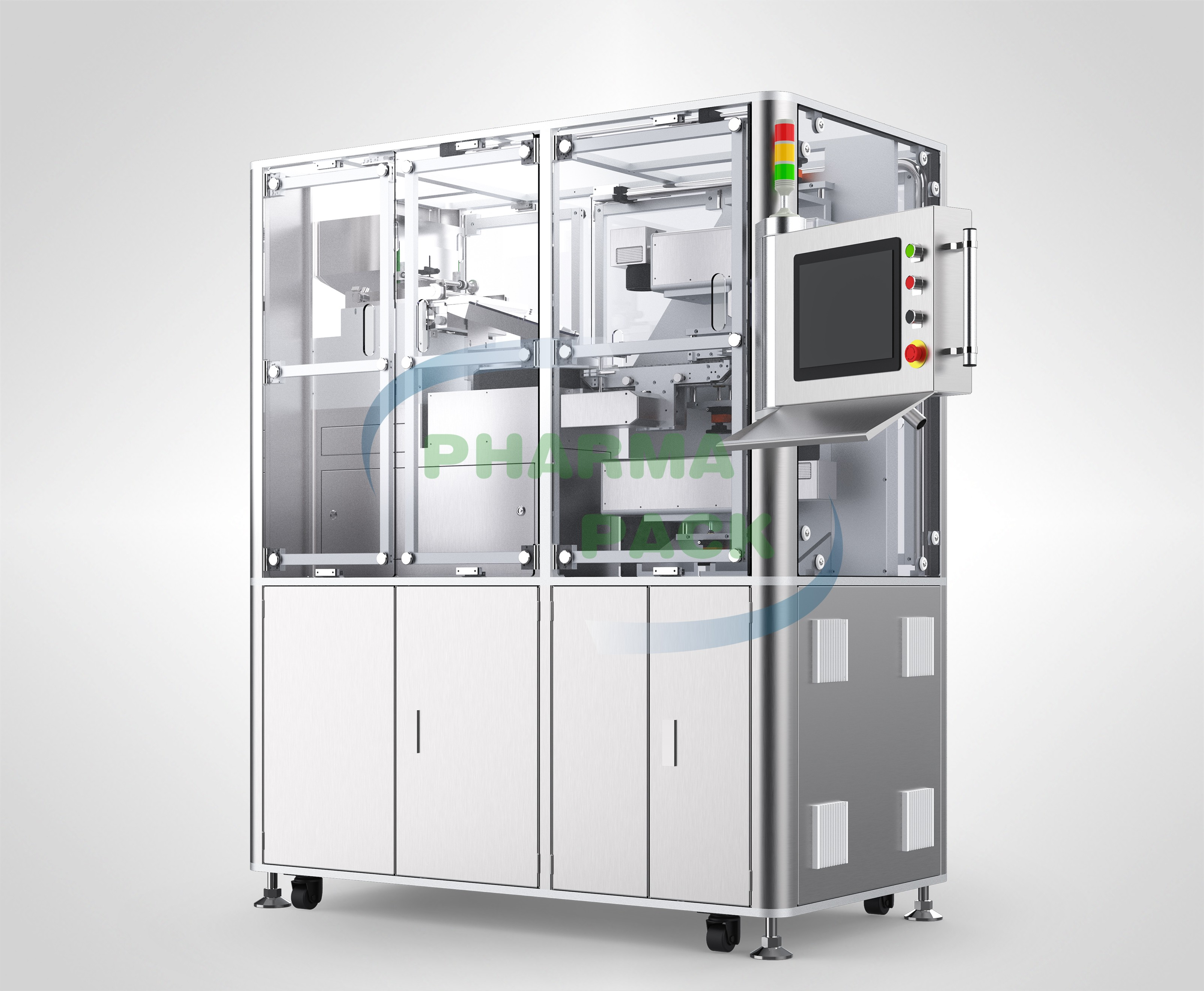
Why Rated Speed Does Not Equal Actual Throughput
A tablet counting machine is often evaluated by the number of tablets or bottles it can process per minute. However, rated speed usually reflects specific operating conditions. Actual output depends on the tablet or capsule format, bottle size, filling quantity, and stability of the production line.
For example, a machine may count tablets quickly under ideal conditions, but frequent interruptions for bottle changes, product replenishment, or rejected containers can reduce its average output. Even short stops accumulate over a full production shift.
Manufacturers should therefore assess sustained production performance rather than relying solely on maximum speed. Tracking bottles produced per hour, downtime frequency, and rejection rates provides a more realistic picture of operational efficiency.
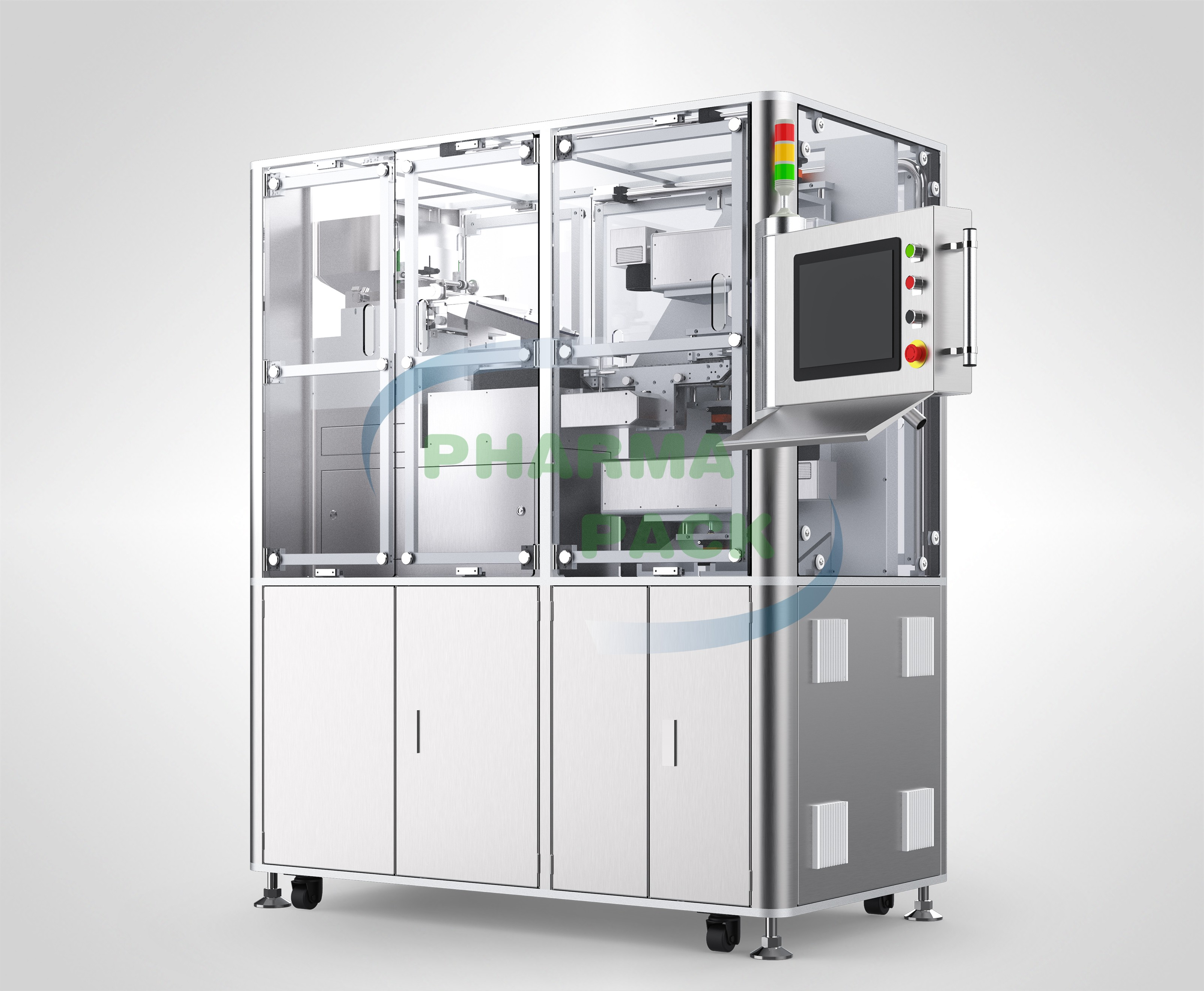
Product Feeding and Counting Accuracy
One common bottleneck occurs before tablets reach the counting mechanism. Irregular feeding can cause tablets to overlap, cluster, or enter the counting area inconsistently. Different tablet shapes, sizes, coatings, and capsule formats may require adjustments to feeding and counting parameters.
If product flow becomes unstable, the machine may need to slow down to maintain reliable counting. Excessive vibration or unsuitable settings can also increase the risk of tablet damage, miscounts, or unnecessary stoppages.
A suitable tablet counting machine should accommodate the intended product range while maintaining consistent feeding and detection. When evaluating equipment, manufacturers should consider whether changeover adjustments are straightforward and whether the counting system can handle the actual characteristics of their tablets and capsules.
Bottle Handling Can Become the Hidden Constraint
Even when counting performance is stable, bottle handling can limit total output. Empty bottles must arrive at the filling station in the correct position and at the appropriate interval. After filling, containers must move efficiently to capping, labeling, and other packaging stages.
If bottle feeding is inconsistent or downstream equipment cannot match the counting machine's output, the entire line may experience interruptions. Bottles may accumulate between stations, or the counting machine may need to pause while waiting for available containers.
To address this issue, manufacturers should evaluate the coordination between counting, bottle conveying, filling, and downstream packaging equipment. Appropriate line integration and buffer arrangements can help reduce avoidable stops and maintain a more balanced production flow.
Changeovers, Cleaning, and Maintenance
Production throughput is also affected by activities that take place outside normal operation. Pharmaceutical facilities may handle multiple products, packaging formats, or batch sizes. Each changeover can require adjustments, cleaning, inspection, and verification before production resumes.
Equipment that is difficult to clean or requires extensive manual adjustment can increase nonproductive time. Similarly, delayed maintenance or recurring sensor problems can interrupt otherwise stable production.
When comparing equipment, manufacturers should examine access to product contact areas, ease of cleaning, adjustment requirements, and the availability of maintenance support. Clear operating procedures and preventive maintenance schedules can further reduce downtime.
These considerations are especially important for facilities that frequently switch between tablet and capsule products or operate multiple packaging formats on the same line.
How to Identify and Reduce Throughput Losses
Improving output begins with measuring where time is actually lost. Instead of treating every production shortfall as a counting speed problem, operators should record stoppages and classify their causes.
Useful indicators include average bottles per minute, changeover duration, rejected containers, feeding interruptions, and downtime associated with upstream or downstream equipment. Comparing these figures across products and shifts can reveal recurring patterns.
Once the primary constraint is identified, improvements can be targeted accordingly. Feeding adjustments may help stabilize product flow, while better synchronization can reduce bottle handling delays. Simplified changeover procedures and scheduled maintenance may improve equipment availability.
Manufacturers should also confirm that any proposed speed increase maintains the required counting accuracy and product integrity. Higher nominal output is not beneficial if it creates more rejects or requires frequent intervention.
Choosing a Pharma Machine Manufacturer for Long Term Performance
Selecting a pharma machine manufacturer involves assessing more than equipment capacity. Pharmaceutical businesses should consider application suitability, counting accuracy, production flexibility, cleaning requirements, maintenance accessibility, and compatibility with existing packaging lines.
At Pharmapack, our counting equipment solutions are designed to support pharmaceutical packaging operations that require reliable counting and efficient product handling. The appropriate configuration depends on the specific tablets or capsules, container formats, production targets, and integration requirements of each application.
Before making a decision, manufacturers should provide representative product samples, target output requirements, container specifications, and details of the existing line where applicable. These details help establish whether the proposed equipment can meet practical production needs rather than simply achieve a stated maximum speed.
Build a More Balanced Pharmaceutical Packaging Line
Throughput losses rarely come from one source alone. Product feeding, counting performance, bottle handling, changeovers, and maintenance can all influence the number of finished containers produced during a shift.
By measuring these factors and selecting equipment that fits the complete packaging process, manufacturers can make more informed decisions about improving efficiency. Pharmapack supports this approach by focusing on application requirements and the practical demands of pharmaceutical packaging, helping businesses identify counting solutions that align with their production goals.