How Product Recipes Help Maintain Consistent Tablet Counting Across Shifts
In pharmaceutical packaging, consistent tablet counting depends on more than machine accuracy. Operators must use the correct settings, follow standardized procedures, and maintain reliable quality checks throughout production. When different employees operate the same equipment across multiple shifts, even small differences in setup can affect efficiency, product handling, and counting reliability.
Product recipes offer a practical way to standardize these operations. By saving key machine parameters for individual products, manufacturers can reduce repeated manual adjustments and make product changeovers more predictable. At Pharmapack, we understand the importance of repeatable processes in pharmaceutical packaging and how the right tablet counting machine can support consistent production.
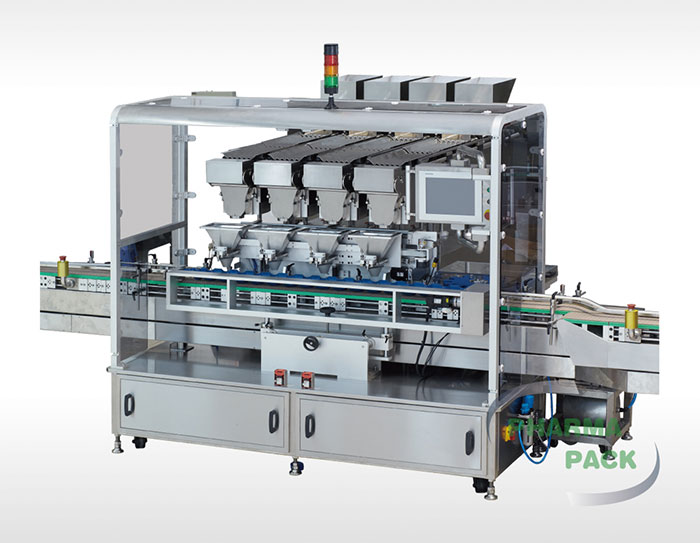
What Are Product Recipes in Tablet Counting?
A product recipe is a predefined set of operating parameters associated with a particular tablet, capsule, or packaging specification. Instead of configuring the machine from scratch for every production run, operators can select the appropriate recipe and load the corresponding settings.
Depending on the equipment, these parameters may include vibration frequency, counting sensitivity, product feeding conditions, target quantities, and other settings relevant to the counting and filling process. Container specifications and filling requirements may also be documented as part of the wider production setup.
For manufacturers handling multiple products, recipe management helps establish a repeatable starting point for each production run. It also reduces reliance on individual operators' memory and experience, making standardized operation easier to maintain.
Why Consistent Setups Matter Across Shifts
Reducing Operator Dependent Variation
Different operators may have different levels of experience with the same equipment. Without clear setup standards, one employee might adjust the feeding parameters differently from another, creating unnecessary variation between shifts.
A tablet counting machine with stored product parameters helps reduce this inconsistency. Operators can follow an established setup rather than independently determining the appropriate settings each time. Standard operating procedures should still define the required checks before production begins.
Making Product Changeovers More Efficient
Pharmaceutical packaging facilities often process multiple products with different shapes, sizes, and counting requirements. Switching between products may require adjustments to feeding channels, counting parameters, and filling components.
Saved recipes can simplify the initial configuration process and reduce repetitive manual input. When combined with a modular machine design and accessible product contact parts, recipe based setup can help shorten changeovers and support more efficient production scheduling.
However, selecting a saved recipe does not eliminate the need for cleaning, component changes, or verification. Each changeover should follow the facility's approved procedures.
Supporting Reliable Quality Control
Incorrect settings can contribute to missed counts, repeated detection, product accumulation, or inconsistent feeding. These problems may increase rejected bottles, product waste, and troubleshooting time.
A standardized recipe helps operators begin with validated or otherwise approved settings for the relevant product. Preproduction checks can then confirm that the equipment is operating as expected. Test counts, bottle presence detection, rejection functions, and other available controls should be checked according to the production requirements.
Recipe consistency supports quality control, but it should not replace independent verification or routine equipment monitoring.
How to Build an Effective Product Recipe Workflow
Establish Standard Settings for Each Product
Start by identifying the parameters that affect counting and filling performance. Conduct appropriate trials to determine suitable settings for each tablet or capsule type, then document the approved configuration and its associated product specification.
Recipes should be clearly named to prevent operators from selecting a similar but incorrect product profile. Where necessary, include the product code, tablet dimensions, target count, and packaging format in the supporting documentation.
Standardize Shift Handover Procedures
A consistent recipe is most useful when every shift follows the same operating process. At the beginning of a shift, operators should confirm the production order, product identity, recipe selection, machine condition, and required quality checks.
At handover, the outgoing team should communicate any alarms, parameter adjustments, rejected containers, or unresolved issues. Recording these details helps the next team understand the equipment's status without repeating unnecessary troubleshooting.
Review and Control Recipe Changes
Product settings should not be changed informally simply to maintain production speed. Any adjustment should follow the site's change control and approval procedures where applicable.
Maintaining records of recipe revisions, authorized changes, and verification results helps ensure that operators use the correct configuration. Periodic reviews can also identify recurring setup problems and opportunities to improve standard operating procedures.
Choosing a Tablet Counting Machine for Pharmacy and Production
When evaluating a tablet counting machine for pharmacy operations or pharmaceutical manufacturing, buyers should consider more than maximum counting speed. The ability to manage different product specifications, simplify changeovers, support cleaning, and maintain repeatable settings can be equally important.
Pharmapack offers electronic counting and filling equipment designed for tablets, capsules, and other solid dosage products. Its modular counter solutions support integration into pharmaceutical packaging lines, while selected models provide features such as product parameter storage, automatic fault diagnosis, and counting control functions.
For example, Pharmapack's PP counter series includes different configurations to accommodate varying production capacities and product requirements. The appropriate model depends on tablet dimensions, required output, container specifications, line layout, and the level of automation needed.
Pharmacies and manufacturers should also distinguish between small scale dispensing requirements and high volume automated bottle packaging. Defining the actual workflow helps ensure that the selected equipment and its recipe management capabilities match operational needs.
Building Repeatable Production with Pharmapack
Consistent tablet counting across shifts requires a combination of standardized settings, trained operators, clear handover procedures, and effective verification. Product recipes provide a practical foundation by reducing repetitive setup work and helping teams follow the same operating parameters from one production run to the next.
With suitable counting and filling equipment, manufacturers can improve changeover consistency, reduce avoidable setup errors, and support more predictable packaging operations. Pharmapack helps pharmaceutical and healthcare product manufacturers evaluate counting solutions according to their products, output requirements, and production workflows.