Automatic Pill Counter Fault Recovery: How Alarms Help Operators Resume Production
In pharmaceutical packaging, an unexpected machine stop can interrupt production, delay downstream processes, and increase the workload for operators. When an automatic pill counter detects an abnormal condition, a clear alarm can help operators identify the problem and determine the appropriate corrective action.
However, an alarm is only useful when operators understand what it means and how to respond. Problems such as product shortages, blocked discharge paths, bottle positioning errors, and sensor interruptions require different solutions. Restarting the machine without identifying the underlying cause may lead to repeated stoppages or inaccurate filling.
At Pharmapack, we recognize the importance of considering fault detection and recovery when evaluating pharmaceutical packaging equipment. Understanding how alarms work can help manufacturers improve operational efficiency, protect product quality, and establish more consistent production procedures.
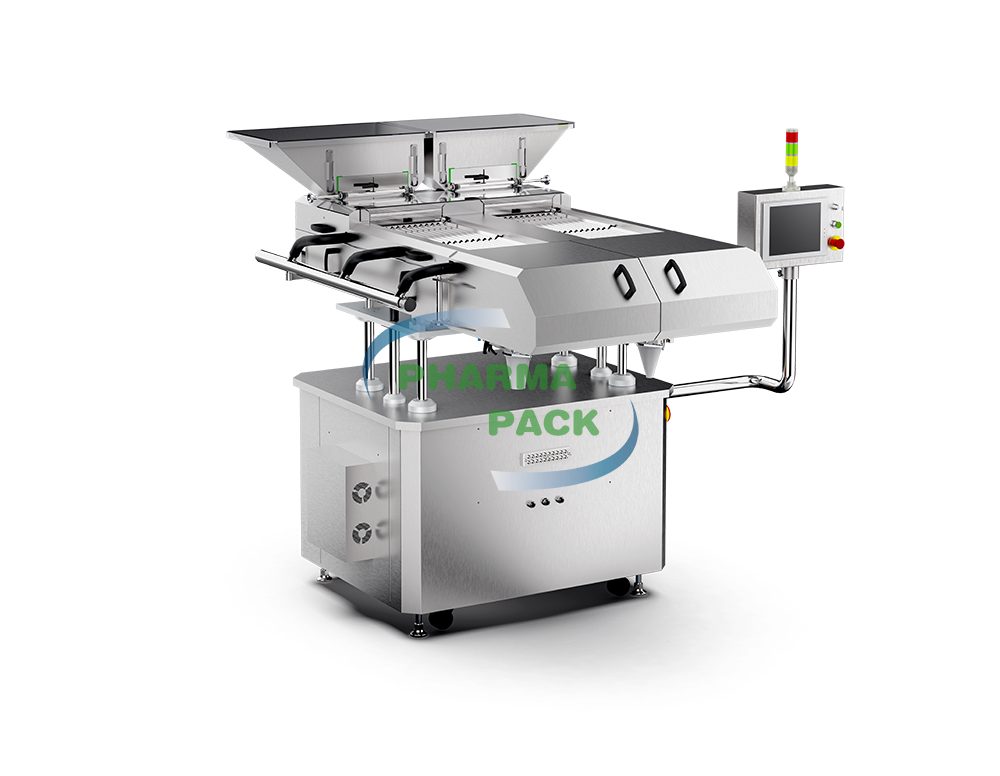
How an Electronic Pill Counter Detects Fault Conditions
An electronic pill counter uses electronic sensors and control systems to monitor relevant stages of the counting and filling process. Depending on the machine design, these systems may detect product movement, bottle presence, counting interruptions, or abnormal operating conditions.
When the equipment identifies a condition that prevents normal operation, the control system may trigger an alarm and stop the affected process. This response helps operators address the issue before continuing production.
For example, a bottle positioning error may occur when a container is missing or incorrectly aligned beneath the discharge outlet. A sensor related to product movement may also identify an interruption when tablets or capsules fail to pass through the expected path. Other alarms may indicate an open safety guard or an equipment condition that requires inspection.
The specific alarms available vary by machine model and configuration. Therefore, manufacturers should confirm which conditions the selected electronic pill counter can detect and how those conditions are displayed to operators.
Common Alarms and How Operators Should Respond
Product Feeding and Counting Interruptions
A shortage of tablets or capsules in the feeding system can interrupt counting or prevent the machine from reaching its intended output. When an alarm indicates insufficient product supply, operators should check the hopper and feeding path, replenish materials according to the operating procedure, and confirm that product flows normally before restarting.
If the alarm persists, the cause may involve a blockage, an unsuitable feeding setting, or a sensor issue. Repeatedly restarting the machine without checking these possibilities can waste time and create additional interruptions.
Bottle Positioning and Discharge Errors
Bottle detection alarms can help identify missing containers, incorrect positioning, or interruptions in bottle transfer. Operators should inspect the bottle handling area and verify that the container is correctly positioned under the filling outlet.
If products have spilled or accumulated around the discharge area, the affected components should be checked and cleaned according to the manufacturer's instructions before production resumes. This is particularly important when different bottle sizes require adjustments to guides or filling positions.
Sensor and Safety Alarms
A sensor alarm may indicate contamination, misalignment, a disconnected component, or another condition affecting detection. Operators should consult the machine's instructions to identify the relevant sensor and follow the prescribed inspection procedure.
Safety related alarms require particular attention. If a guard is open or a safety interlock has been activated, operators should never bypass the protection mechanism to restore production. The underlying condition must be corrected before the equipment can be restarted safely.
A Reliable Process for Restarting After an Alarm
Effective fault recovery starts with understanding the alarm message rather than immediately pressing the reset button. Operators should first record the alarm information and identify the affected part of the process.
Next, they should follow the manufacturer's troubleshooting instructions. If inspection requires access to moving parts or internal components, the equipment must be placed in the appropriate safe state before any intervention. Cleaning, clearing obstructions, and component adjustments should follow established procedures.
After correcting the problem, operators should confirm that the relevant guards and components are properly restored. They can then reset the alarm and restart the machine using the approved operating sequence.
The first containers produced after a stoppage deserve special attention. Operators should verify the count, inspect for spillage, and confirm that bottles are being filled consistently. If the same alarm returns, the equipment should be stopped and the issue escalated rather than repeatedly reset.
How Alarm Management Improves Production Efficiency
Clear alarm messages, accessible troubleshooting instructions, and consistent operator training can reduce the time needed to resolve routine interruptions. Recording recurring alarms also helps maintenance teams identify patterns that may indicate worn components, sensor contamination, or unsuitable operating settings.
Manufacturers can use these records to refine preventive maintenance schedules and improve standard operating procedures. Training should cover not only how to acknowledge an alarm but also how to distinguish a routine operating issue from a condition requiring technical support.
When assessing an automatic pill counter, manufacturers should therefore evaluate alarm visibility, diagnostic information, reset procedures, and the availability of technical documentation alongside counting accuracy and production capacity.
Choose Pharmaceutical Packaging Equipment with Confidence
Reliable fault recovery depends on effective detection, clear instructions, and disciplined operator response. An electronic pill counter with suitable monitoring functions can help operators identify interruptions and restore normal operation more systematically, provided its alarm features match the application's requirements.
Pharmapack offers pharmaceutical packaging equipment solutions for manufacturers seeking to improve their counting and filling processes. By evaluating alarm functions, recovery procedures, and maintenance requirements before installation, manufacturers can make informed equipment decisions and build a more consistent approach to production reliability.