Why Bottles Re-Circulate in Unscrambler Machines and How to Improve Feeding Accuracy
In automated packaging lines, consistent bottle feeding is essential for maintaining production speed and reducing unnecessary interruptions. However, even well designed unscrambler machines can experience bottle recirculation, where containers repeatedly travel through the sorting process instead of moving smoothly toward the filling line. This issue can reduce feeding efficiency, create uneven bottle spacing, and increase the workload on downstream equipment.
Understanding why bottles re-circulate helps manufacturers identify the root cause and improve overall line performance. For companies evaluating a bottle unscrambler manufacturer, feeding accuracy, container compatibility, and adjustment flexibility are important factors to consider.
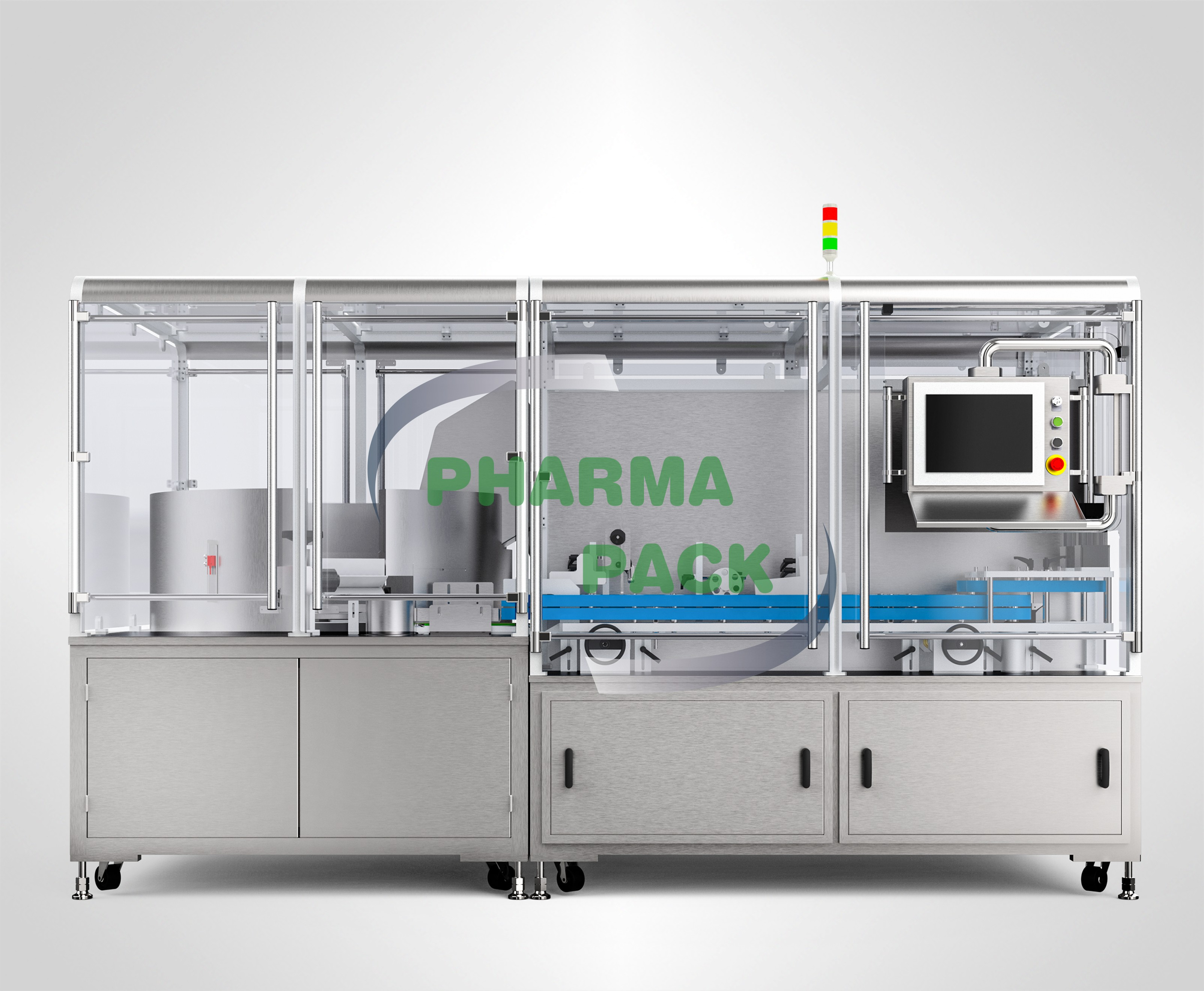
How Bottle Recirculation Happens
Bottle unscramblers are designed to organize randomly oriented containers and deliver them in a consistent position for downstream operations. Depending on the machine design, bottles may be lifted, rotated, guided, or redirected until they reach the correct orientation.
Recirculation occurs when a bottle fails to enter the discharge path during its first pass. It may return to the sorting area because its position is incorrect, the guiding mechanism cannot capture it, or the discharge channel is temporarily blocked.
Some recirculation is a normal part of the sorting process, especially when bottles enter in random orientations. However, excessive recirculation may indicate a mismatch between the container design and the machine settings, an unstable feeding process, or a problem with the guiding components.
Common Reasons Bottles Re-Circulate
1. Bottle Shape and Size Are Not Properly Matched
Container geometry has a direct influence on sorting accuracy. Bottles with unusual shoulders, narrow necks, wide bases, lightweight walls, or irregular profiles may behave differently from standard cylindrical containers.
If the machine is not configured for the bottle being processed, containers may fail to align with the discharge guide or become unstable during movement. Frequent product changes can make this issue more noticeable when adjustments are incomplete.
Before production begins, manufacturers should confirm that the unscrambler supports the required bottle dimensions, shapes, and materials. A bottle unscrambler manufacturer should also be able to explain the available changeover arrangements and the adjustments needed for different container specifications.
2. Guide Rails and Sorting Components Are Misaligned
Guide rails and sorting mechanisms direct bottles toward the correct exit position. When these components are incorrectly adjusted, bottles may turn sideways, become trapped, or miss the intended discharge opening.
Excessive clearance can allow containers to move out of position, while insufficient clearance may cause friction or jamming. Worn guides and loose components can also affect repeatability over time.
Regular inspection of guide alignment, contact surfaces, and mechanical fasteners helps maintain stable bottle movement. Adjustments should follow the machine manufacturer's instructions and be verified under normal operating conditions.
3. Feeding Speed Is Too High
Increasing machine speed does not always increase actual production output. If bottles enter the sorting area faster than the system can orient and discharge them, containers may accumulate or interfere with one another.
This congestion can prevent correctly positioned bottles from exiting smoothly, causing more containers to circulate through the sorting area. A more balanced relationship between feeding speed and discharge capacity can improve throughput without placing unnecessary stress on the equipment.
Operators should evaluate actual discharge performance rather than relying solely on the machine's nominal speed. Stable feeding is often more valuable than a higher setting that produces frequent interruptions.
4. Bottle Surface and Material Affect Movement
Plastic bottles can differ significantly in weight, stiffness, surface texture, and friction. Lightweight containers may move unpredictably, while certain surface finishes can increase friction against guides or contact surfaces.
These differences can influence how bottles slide, rotate, and settle into the correct position. Testing the actual container under representative production conditions helps reveal whether the issue comes from the bottle itself or the machine configuration.
Practical Ways to Improve Feeding Accuracy
The first step is to observe where recirculation occurs. If bottles repeatedly miss the same discharge point, inspect the relevant guides and orientation mechanism. If recirculation increases when the line runs faster, examine the relationship between input volume and discharge capacity.
Next, verify that the machine settings match the container specifications. Adjustments to guide spacing, sorting components, and operating speed should be made systematically, changing one variable at a time whenever practical. This approach makes it easier to identify the cause rather than masking the problem with repeated adjustments.
Preventive maintenance is equally important. Regularly inspect moving parts, guide surfaces, sensors where fitted, and other components that influence bottle positioning. Keeping a record of container types, operating settings, and recurring faults can help operators reproduce successful configurations during future changeovers.
Finally, evaluate feeding accuracy alongside other performance indicators, including successful discharge rate, jam frequency, changeover time, and downstream filling stability. These measures provide a more complete picture of machine performance than speed alone.
Choosing the Right Bottle Unscrambler Manufacturer
Selecting suitable unscrambler machines involves more than comparing maximum output speeds. Buyers should consider bottle dimensions, container materials, required production capacity, changeover frequency, available floor space, and compatibility with existing filling and packaging equipment.
Pharmapack provides bottle unscrambling solutions for pharmaceutical, healthcare, and food applications. For example, the LFU-25C supports round and square bottles within specified size ranges, while the LFU-40C is designed for cylindrical, oval, and rectangular plastic bottles. Their stated maximum speeds are 250 and 400 bottles per minute, respectively, depending on the product being processed.
These differences highlight why equipment selection should be based on actual production requirements rather than nominal speed alone. Pharmapack can also provide packaging line integration and technical support to help manufacturers evaluate equipment suitability, installation requirements, and operating performance.
Build a More Consistent Bottle Feeding Process
Bottle recirculation is not always a sign of equipment failure, but excessive recirculation can indicate problems with container compatibility, component alignment, or feeding speed. Identifying the cause through systematic inspection and practical testing helps manufacturers improve discharge consistency and reduce avoidable downtime.
At Pharmapack, we understand that reliable bottle feeding is an important part of an efficient packaging line. By selecting suitable unscrambler machines, maintaining correct operating settings, and evaluating the entire production process, manufacturers can achieve more stable container handling and better coordination with downstream equipment. Contact Pharmapack to discuss your bottle specifications and production requirements when evaluating a suitable bottle unscrambler solution.