Inserter Machine Fault Recovery: How Better Alarms Reduce Restart Time
In pharmaceutical packaging, even a brief equipment stoppage can affect production schedules, packaging consistency, and overall line efficiency. When an inserter machine encounters a fault, operators need more than a warning light. They need clear information about what went wrong, where the problem occurred, and what steps are required to resume operation safely.
A well designed alarm system helps operators identify faults quickly, reduce unnecessary troubleshooting, and avoid repeated stoppages. For manufacturers using a desiccant inserter machine, effective fault detection is particularly important because accurate desiccant placement plays a role in protecting moisture sensitive products throughout storage and distribution.
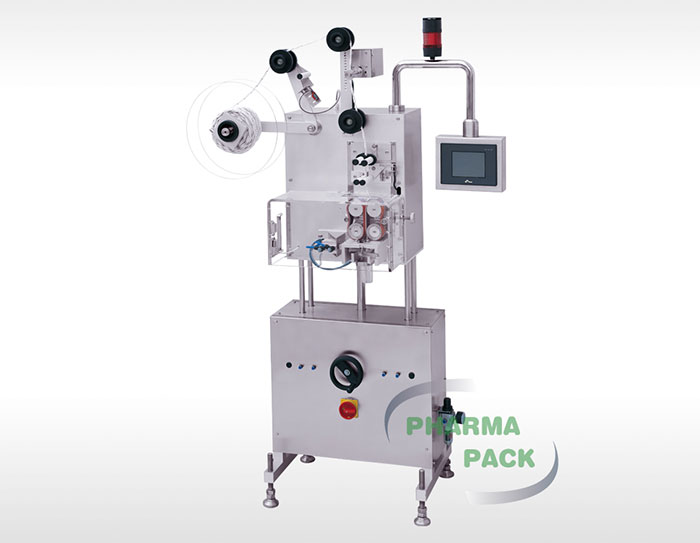
Why Fault Recovery Matters for an Inserter Machine
An inserter machine performs a specific task within an automated packaging line, such as placing desiccant canisters, packets, or other components into containers. When the machine stops unexpectedly, downstream equipment may also be affected, increasing production downtime.
Not all faults have the same cause. A container may be missing, the desiccant supply may be running low, a sensor may fail to detect an object, or a mechanical component may become obstructed. Without useful alarm information, operators may spend valuable time checking several possible causes before finding the actual problem.
Effective fault recovery starts with identifying the source of the interruption. Clear alarm messages, accessible fault history, and understandable machine status indicators can help operators distinguish between material shortages, detection errors, and mechanical issues. This makes troubleshooting more systematic and helps maintenance personnel address recurring problems.
Essential Alarms in a Desiccant Inserter Machine
The most useful alarms are those that help operators understand the condition of the machine and determine the next appropriate action. Several alarm types deserve attention when evaluating a desiccant inserter machine.
Material Supply and Feeding Alarms
A low material supply alarm can alert operators before desiccant feeding is interrupted completely. If the machine detects an empty feed channel or a problem with material delivery, the alarm should identify the affected section so that operators can replenish supplies or inspect the feeding mechanism.
Early warnings can reduce unexpected stops and help production teams plan material replenishment more efficiently.
Sensor Detection Alarms
Sensors help confirm the presence and position of containers, desiccants, and other components during automated operation. When a sensor cannot detect an expected object, the machine may stop to prevent an incorrect insertion or an incomplete packaging cycle.
A useful alarm should identify the relevant detection point rather than simply report a general machine fault. Operators can then inspect container positioning, sensor alignment, contamination, or wiring as appropriate.
Mechanical and Positioning Alarms
Mechanical obstructions, positioning errors, and abnormal movement can interrupt an inserter machine's operating cycle. These faults may require inspection of the feeding path, actuators, or other moving components.
Clear fault messages help maintenance personnel focus on the affected mechanism. Where available, machine diagnostics and fault history can also help reveal whether the problem is isolated or recurring.
How Alarm Design Speeds Up Machine Restart
An alarm only improves recovery when its information is practical and easy to understand. Vague messages such as "system error" may indicate that something has gone wrong, but they provide little guidance for resolving the issue.
More informative alarms identify the affected station, describe the detected condition, and explain what needs to be checked. A human machine interface can support this process by displaying active alarms, fault timestamps, and relevant operating status.
A consistent restart procedure is equally important. Operators should first identify the fault, correct its cause, and verify that the machine is safe to operate. They can then reset the alarm and follow the prescribed restart sequence. Automatically clearing an alarm without correcting the underlying problem may cause the same fault to occur again.
For pharmaceutical packaging applications, restart procedures should also account for product and packaging quality. If a fault could have resulted in a missing or incorrectly inserted desiccant, affected containers may need inspection according to the manufacturer's quality procedures before production continues.
Preventing Repeated Faults Through Maintenance
Alarm records can provide useful information beyond immediate troubleshooting. When the same alarm appears frequently, maintenance teams can investigate potential causes such as worn components, unstable material feeding, sensor contamination, or inconsistent container positioning.
Regular cleaning, inspection, sensor checks, and preventive maintenance help reduce avoidable interruptions. Training operators to recognize common alarms and follow approved recovery procedures also improves response consistency across shifts.
Manufacturers should evaluate whether an inserter machine provides accessible diagnostic information, clear operating instructions, and appropriate safeguards. These features can make routine fault recovery easier while supporting stable production performance.
Choosing a Desiccant Inserter Machine With Practical Diagnostics
When selecting a desiccant inserter machine, buyers should look beyond insertion speed and production capacity. Alarm clarity, fault identification, operator interface design, maintenance access, and restart procedures can all influence the machine's performance in daily operation.
It is also worth asking suppliers how the machine responds to feeding interruptions, missed detections, and mechanical faults. Demonstrations of common fault scenarios can help buyers understand how easily operators can identify problems and restore normal operation.
Pharmapack offers inserter machine solutions for packaging applications. Manufacturers evaluating equipment can explore the available options at the official Pharmapack website and discuss application requirements, operating conditions, and diagnostic needs with the supplier.
Building a More Reliable Packaging Process
Fast fault recovery depends on more than resetting an alarm. It requires accurate fault detection, useful diagnostic information, consistent operator procedures, and maintenance practices that address recurring problems. For a desiccant inserter machine, these elements help reduce unnecessary downtime while supporting correct desiccant placement and packaging quality.
By evaluating alarm functionality alongside feeding performance, machine safety, and maintenance requirements, manufacturers can make a more informed equipment decision. With practical diagnostics and a structured recovery process, an inserter machine can be easier to operate, troubleshoot, and maintain over the long term.