Unscrambler Machines for HDPE vs PET Bottles: Key Handling Differences
In automated packaging lines, bottle unscrambling is an important step in maintaining a steady supply of containers for filling, capping, and labeling. However, not all plastic bottles behave the same way during handling. High density polyethylene (HDPE) and polyethylene terephthalate (PET) bottles differ in stiffness, weight distribution, shape retention, and surface characteristics. These differences can affect how unscrambler machines organize bottles and feed them into downstream equipment.
For manufacturers in the pharmaceutical, personal care, and chemical industries, understanding these distinctions helps improve line efficiency and reduce container damage. At Pharmapack, we recognize that selecting suitable bottle handling equipment requires more than matching a machine to a bottle's dimensions. Material properties and production requirements also matter.
How HDPE and PET Bottles Behave in Unscrambling
HDPE and PET are widely used in packaging, but their physical properties create different handling challenges.
HDPE bottles are generally flexible and impact resistant. Depending on wall thickness and bottle geometry, they may deform slightly under pressure or when subjected to repeated contact. Lightweight HDPE containers can also be more sensitive to friction and accumulation pressure, particularly when the unscrambling system uses excessive agitation.
PET bottles are typically stiffer and retain their molded shapes well. However, thin wall PET containers can still buckle or become damaged under inappropriate mechanical pressure. Their lightweight construction may also cause instability when bottles move quickly through guide rails or transfer points.
These differences mean that an unscrambler machine must provide controlled movement, reliable orientation, and consistent discharge rather than relying on a single handling configuration for every container type.
Key Machine Settings for HDPE and PET
Agitation and Bottle Separation
Unscrambler machines separate randomly positioned bottles and orient them for downstream processing. The agitation level must be sufficient to prevent bottlenecks without creating unnecessary collisions.
For HDPE bottles, excessive agitation may cause deformation, friction, or overlapping containers, especially when bottles have broad bodies or flexible walls. A gentler handling approach may help maintain bottle shape and improve separation.
PET bottles often maintain their shape during movement, but aggressive agitation can still cause scuffing, instability, or jams. The optimal settings depend on bottle geometry, surface finish, and the required production speed.
Guide Rails and Orientation
Bottle shape influences how containers move through the unscrambling system. HDPE bottles may have irregular shoulders, recessed panels, or flexible sidewalls that require carefully positioned guides. Excessive pressure from guide rails can distort softer containers and interfere with smooth movement.
PET bottles may be more dimensionally stable, but narrow necks, curved shoulders, and unusual base designs can still complicate orientation. Adjustable guides and suitable bottle positioning mechanisms help maintain consistent feeding for both materials.
When evaluating unscrambler machines, manufacturers should confirm that the equipment can accommodate the actual bottle designs used on the production line.
Transfer Speed and Downstream Synchronization
Bottle handling does not end when containers reach the discharge point. The unscrambler must deliver bottles at a rate that matches the filling machine's requirements.
For HDPE containers, sudden acceleration or excessive accumulation pressure may increase the risk of deformation and feeding interruptions. PET containers can also become unstable when transferred too quickly, particularly if their bases are narrow or their centers of gravity are relatively high.
A well configured system coordinates unscrambling speed with conveyor movement and filling capacity. This helps reduce empty spaces, bottle congestion, and unnecessary machine stoppages.
What Should Buyers Evaluate Before Selecting an Unscrambler?
When comparing unscrambler machine manufacturers, buyers should assess more than the advertised output rate. Several practical factors influence whether a machine will perform reliably in daily production.
First, confirm the full range of bottle diameters, heights, neck finishes, and shapes the machine can handle. Second, ask how the equipment accommodates different plastic materials and wall thicknesses. Third, evaluate changeover requirements if the same line processes multiple bottle formats.
Cleaning and maintenance are also important, particularly in pharmaceutical and personal care production. Accessible components, straightforward adjustments, and appropriate contact materials can simplify routine operations. Buyers should also confirm how the equipment integrates with existing conveyors, filling machines, and control systems.
Finally, request a performance assessment using representative HDPE and PET bottles. Factory testing can reveal orientation problems, feeding inconsistencies, and handling limitations that may not be apparent from specifications alone.
How Pharmapack Supports Bottle Handling Requirements
At Pharmapack, we understand that effective bottle unscrambling depends on the relationship between container design, handling mechanisms, and production line requirements. Selecting equipment based on actual bottle characteristics helps manufacturers establish a more stable and predictable packaging process.
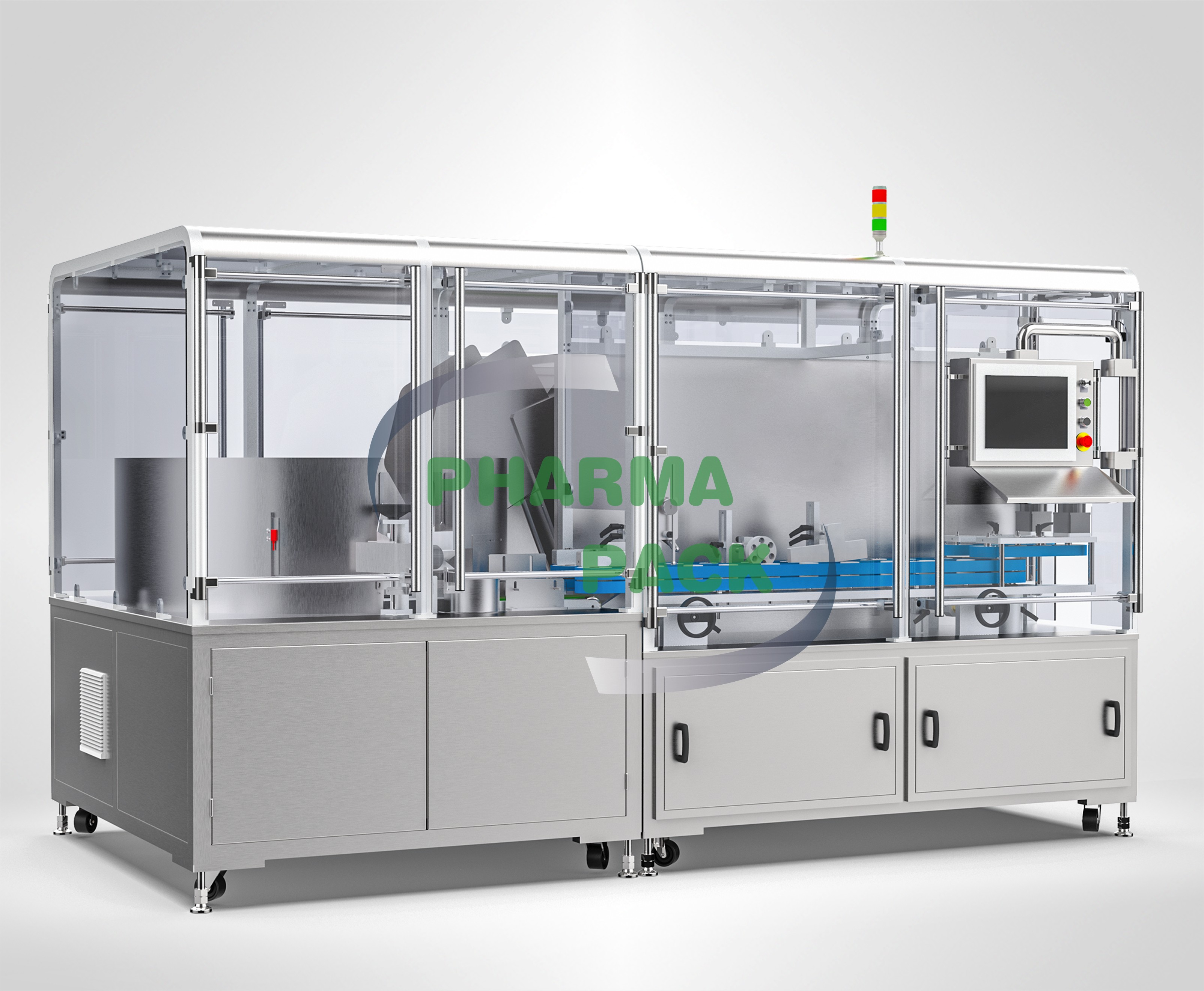
Our bottle unscrambler solutions are designed for automated container handling across different packaging applications. When evaluating a suitable configuration, manufacturers should consider bottle dimensions, material properties, required output, and integration with downstream equipment. These details provide a practical foundation for identifying an appropriate solution.
For production lines handling both HDPE and PET bottles, discussing the full container range before equipment selection can also help clarify changeover needs and future expansion requirements.
Choosing the Right Unscrambler for Long Term Performance
HDPE and PET bottles may serve similar packaging purposes, but their differences in flexibility, stiffness, and movement behavior can influence unscrambling performance. Appropriate agitation, guide rail positioning, transfer speed, and changeover design all contribute to consistent bottle feeding.
When comparing unscrambler machine manufacturers, buyers should prioritize compatibility with their actual containers, dependable operation, and straightforward integration with the complete packaging line. By assessing these factors early, manufacturers can reduce avoidable handling issues and make more informed equipment decisions.
Pharmapack provides bottle unscrambling solutions for manufacturers seeking reliable automated packaging processes. Evaluating your bottle specifications and production targets is a practical first step toward selecting equipment that meets your operational needs.