Inserter Machine Cleaning Access: Preventing Cross Batch Contamination in Pharmaceutical Packaging
In pharmaceutical packaging, maintaining product purity is just as important as ensuring accurate packaging and efficient production. When multiple batches pass through the same equipment, inadequate cleaning can increase the risk of cross batch contamination. An inserter machine must therefore support not only precise material handling but also effective cleaning and inspection between production runs.
For manufacturers handling tablets, capsules, and other pharmaceutical products, cleaning accessibility is an important consideration when selecting packaging equipment. Pharmapack understands the importance of practical equipment design in supporting consistent production, reliable sanitation, and quality control.
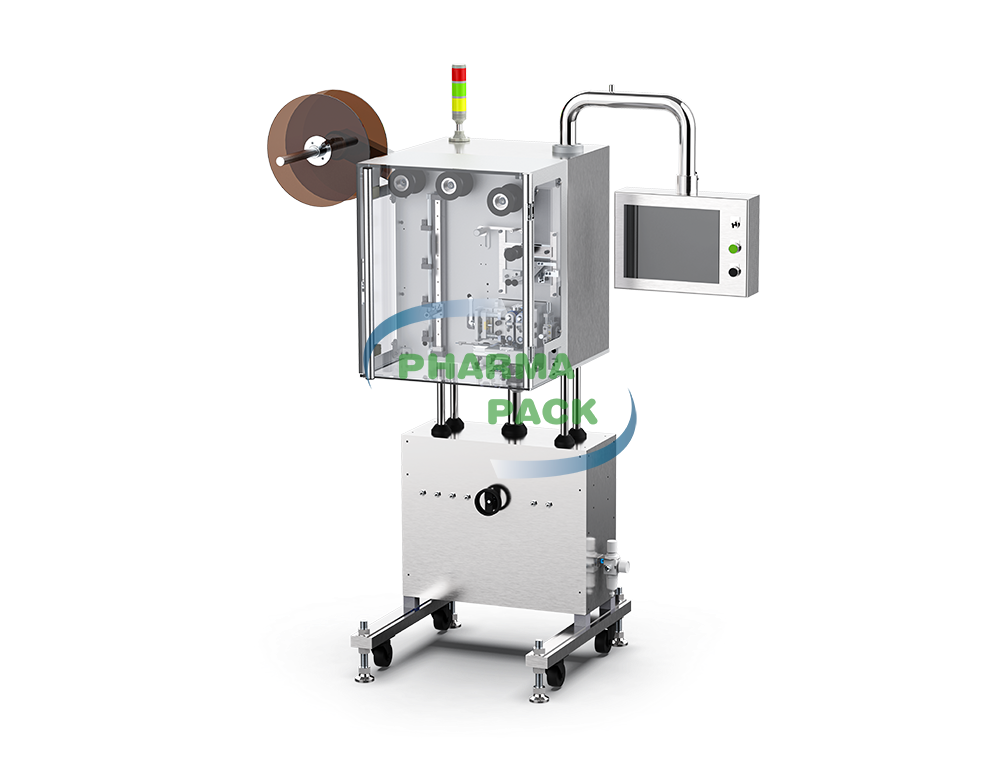
Why Cleaning Access Matters in an Inserter Machine
An inserter machine places specific components, such as desiccants, into containers during pharmaceutical packaging. Because the equipment operates within a product handling environment, residue, dust, or loose particles may accumulate around contact points and moving components over time.
If these areas are difficult to access, operators may struggle to remove accumulated material completely. Residues from one production batch could then affect a subsequent batch, creating potential quality and compliance concerns.
Cleaning access directly influences how easily operators can inspect internal surfaces, reach potential accumulation points, and verify that the equipment is ready for the next production run. A design that supports straightforward access can also reduce cleaning complexity and help minimize unnecessary production downtime.
How a Desiccant Inserter Can Reduce Contamination Risks
A desiccant inserter introduces moisture absorbing materials into containers to help protect moisture sensitive products during storage and transportation. Although desiccants are not typically the primary product being packaged, their handling still requires careful control.
Desiccant strips, canisters, or other formats may generate small particles or leave packaging debris around feeding mechanisms, guide rails, and transfer points. If these areas are overlooked during cleaning, accumulated debris may interfere with subsequent operations or compromise packaging cleanliness.
An effective cleaning strategy begins with identifying where material can collect during normal operation. Operators should pay particular attention to feeding paths, transfer mechanisms, accessible contact surfaces, and areas surrounding the insertion point.
Equipment designed with accessible components and clearly identifiable cleaning zones can make these tasks easier to perform consistently. However, cleaning accessibility alone does not guarantee contamination prevention. Appropriate cleaning procedures, operator training, and documented inspections remain essential.
Key Design Features to Evaluate Before Purchasing
When evaluating an inserter machine, pharmaceutical manufacturers should look beyond insertion speed and production capacity. The equipment's cleaning requirements and accessibility can have a direct impact on daily operations.
First, consider whether operators can reach the areas most likely to accumulate dust or packaging debris. Components that are difficult to inspect may require additional cleaning time or specialized tools.
Second, assess whether removable parts can be taken apart and reassembled safely and efficiently. Where applicable, tool free access can simplify routine maintenance, provided the design maintains reliable positioning and operational safety.
Third, examine the materials and surface finishes used in relevant equipment areas. Smooth, durable surfaces that are compatible with the intended cleaning agents can make residue removal easier. Manufacturers should also check whether the machine design avoids unnecessary gaps, crevices, and other locations where particles may accumulate.
Finally, review the available cleaning instructions, maintenance documentation, and procedures for verifying equipment cleanliness. These resources help operators follow repeatable processes rather than relying solely on visual judgment.
Establishing a Reliable Between Batch Cleaning Process
Even a well designed desiccant inserter requires a structured cleaning procedure. Before cleaning begins, operators should follow the manufacturer's instructions to stop the machine safely, isolate relevant energy sources, and remove remaining packaging materials.
The next step is to clean the designated areas using approved methods and materials. Particular attention should be given to feeding components, transfer points, and surfaces that may retain dust or debris. Cleaning agents and methods should be appropriate for the equipment materials and the manufacturing environment.
After cleaning, operators should inspect the relevant areas to confirm that visible residues and foreign materials have been removed. Any detachable components should be reinstalled correctly, and the machine should be checked before production resumes.
For pharmaceutical facilities, documented cleaning records can help establish accountability and demonstrate that required procedures have been completed. Where necessary, additional verification methods should be selected according to the product, process, and applicable quality requirements.
How Pharmapack Supports Practical Packaging Equipment Selection
Choosing pharmaceutical packaging equipment involves balancing production efficiency, insertion accuracy, maintenance requirements, and cleaning needs. Pharmapack offers inserter machine solutions for manufacturers seeking to improve their packaging operations.
When evaluating equipment from Pharmapack, manufacturers can consider how the machine fits their container formats, desiccant requirements, production workflow, and sanitation procedures. Reviewing these factors early helps identify operational requirements before installation and supports more informed purchasing decisions.
Manufacturers should also discuss the expected cleaning frequency, changeover procedures, and access requirements with their equipment supplier. Confirming these details before purchasing can help reduce uncertainty during equipment qualification and routine production.
Building Cleaner and More Consistent Packaging Operations
Reducing cross batch contamination risk requires more than an effective cleaning schedule. It depends on equipment accessibility, appropriate operating procedures, trained personnel, and consistent verification.
An inserter machine that supports straightforward inspection and cleaning can help pharmaceutical manufacturers manage changeovers more effectively while maintaining packaging quality. By evaluating cleaning access alongside performance and maintenance requirements, manufacturers can make equipment decisions that support dependable production.
With careful equipment selection and disciplined cleaning practices, Pharmapack customers can work toward cleaner, more consistent pharmaceutical packaging operations while keeping product protection and quality control at the center of their processes.