Round Bottle Labeling Machine Reject Systems: Preventing Labeling Errors Before Products Move Forward
In pharmaceutical packaging, a misplaced, missing, or incorrectly applied label can create quality concerns, increase rework, and delay production. For manufacturers handling large volumes of round bottles, identifying defective products before they leave the labeling station is essential. A well configured round bottle labeling machine can combine precise label application, inspection sensors, and automatic rejection mechanisms to help maintain consistent packaging quality.
At Pharmapack, we understand that reliable labeling involves more than applying labels at high speed. It also requires an effective way to identify and remove defective products. Understanding how reject logic works can help manufacturers select equipment that supports their production requirements and quality control procedures.
Why Misapplied Labels Require an Automatic Reject System
Round bottles present specific labeling challenges because their curved surfaces require accurate positioning and consistent contact. If a bottle moves out of alignment, a label may shift, wrinkle, overlap incorrectly, or fail to adhere properly. Other problems can arise from damaged labels, incorrect sensor settings, or interruptions in label feeding.
These defects are not always easy to identify during high speed production. Manual inspection alone may struggle to keep pace with a continuous packaging line, allowing defective bottles to proceed to subsequent operations.
An automatic reject system addresses this problem by identifying products that fail defined inspection criteria and removing them from the accepted product flow. In pharmaceutical applications, this process helps reduce the risk of incorrectly labeled bottles reaching later packaging stages. However, the inspection system must be configured to detect the specific defects relevant to the product and labeling process.
How Reject Logic Works in a Round Bottle Labeling Machine
Reject logic connects product detection, label application, inspection results, and the physical removal of defective bottles. Although the exact configuration varies by machine, the process generally follows several steps.
First, a product sensor detects an incoming bottle and triggers the labeling sequence. The labeling mechanism then dispenses and applies a label as the bottle moves through the designated station. Depending on the equipment configuration, additional sensors or vision inspection systems check whether the label is present and correctly positioned.
When the inspection system identifies a defect, the controller associates the inspection result with the corresponding bottle. The bottle continues along the conveyor until it reaches the rejection station, where a configured mechanism diverts it from the main production flow.
Timing is particularly important. The controller must account for conveyor speed, bottle spacing, sensor response time, and the distance between inspection and rejection points. If these parameters are not synchronized, a defective bottle may escape rejection or a correctly labeled bottle may be removed unnecessarily.
What Defects Should the Inspection System Detect?
The appropriate inspection criteria depend on the product, label design, and quality requirements. Common checks include missing labels, visibly incorrect label positions, wrinkles, and incomplete label application. For products requiring variable information, additional inspection may be needed to verify printed batch numbers, manufacturing dates, expiry dates, or other required information.
Manufacturers should distinguish between defects that a basic sensor can detect and those requiring a camera or more advanced inspection technology. A presence sensor may confirm that a label exists, but it cannot necessarily determine whether the label is straight, readable, or correct.
For pharmaceutical packaging, inspection requirements should be established through documented quality procedures and validated for the intended application. Automatic rejection supports quality control, but it does not replace appropriate verification of the inspection system itself.
How to Reduce False Rejections and Missed Defects
An effective reject system must do more than remove defective bottles. It should also minimize unnecessary rejection of acceptable products.
Start by checking sensor positions, label detection settings, and the stability of bottle movement. Labels with different colors, transparency levels, or surface finishes may require adjustments to inspection parameters. Bottle diameter, label dimensions, and production speed should also be considered during setup.
Next, verify that the inspection result remains linked to the correct bottle throughout the conveyor. Testing at normal operating speed can reveal timing problems that may not appear during slow manual trials.
Regular maintenance is equally important. Dirty sensors, worn rollers, inconsistent label feeding, and changes in conveyor performance can affect inspection accuracy. Recording rejection counts and reviewing recurring defects can help operators identify whether the underlying problem comes from label application, product handling, or inspection settings.
Choosing a Bottle Labeling Machine Supplier
When evaluating a bottle labeling machine supplier, manufacturers should look beyond maximum production speed. The equipment should match the bottle diameter range, label specifications, required inspection functions, and expected production volume.
Ask whether the machine supports automatic rejection, what types of defects its inspection system can identify, and how rejection timing is controlled. It is also useful to understand how operators configure different products, monitor machine alarms, and investigate rejected bottles.
Integration is another important consideration. A labeling machine may need to communicate with upstream filling equipment and downstream cartoning or inspection systems. Compatible control interfaces and clear fault reporting can simplify coordination across the packaging line.
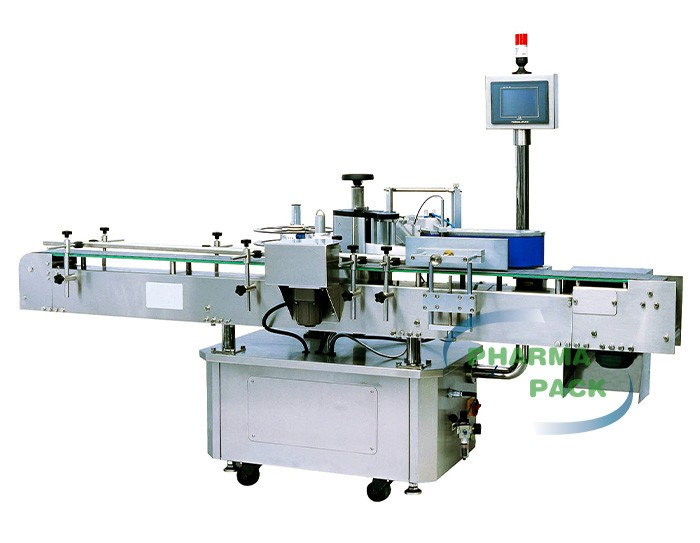
Pharmapack offers round bottle labeling solutions for different container sizes and production requirements. Our LFLB-1120 vertical round bottle labeling machine accommodates bottle diameters from 16 mm to 120 mm and provides a maximum output of 400 bottles per minute, depending on product size and operating conditions. Its servo driven labeling head, bottle detection, and label control functions support consistent labeling performance. Manufacturers requiring dedicated defect inspection and automatic rejection should confirm the appropriate configuration for their application.
Build a More Reliable Labeling Process with Pharmapack
Preventing misapplied labels requires coordinated product handling, accurate label application, dependable inspection, and correctly timed rejection. By evaluating these functions together, manufacturers can reduce avoidable rework and strengthen packaging quality control.
Pharmapack works with manufacturers to identify labeling equipment suited to their bottle formats, production speeds, and inspection requirements. When selecting a round bottle labeling machine, consider not only how accurately it applies labels, but also how effectively it identifies defects and manages rejected products. The right configuration can help create a more consistent, traceable, and efficient packaging process.