How to Control Static Electricity When Counting Lightweight Capsules
Lightweight capsules, even a small electrostatic force can interfere with normal movement. Capsules may stick to feeding tracks, accumulate around discharge points, or separate unevenly as they approach the counting area. These problems can lead to inconsistent feeding and interruptions during production.
Static-related issues may also increase the need for manual intervention. Operators might need to stop the machine to clear accumulated capsules or inspect irregular counting results. Over time, frequent interruptions can reduce throughput and complicate quality control.
It is important to distinguish static-related problems from other causes of counting inaccuracies. Incorrect sensor settings, unsuitable vibration levels, damaged capsules, and inconsistent feeding can produce similar symptoms. Identifying the actual cause helps manufacturers choose the right corrective measures.
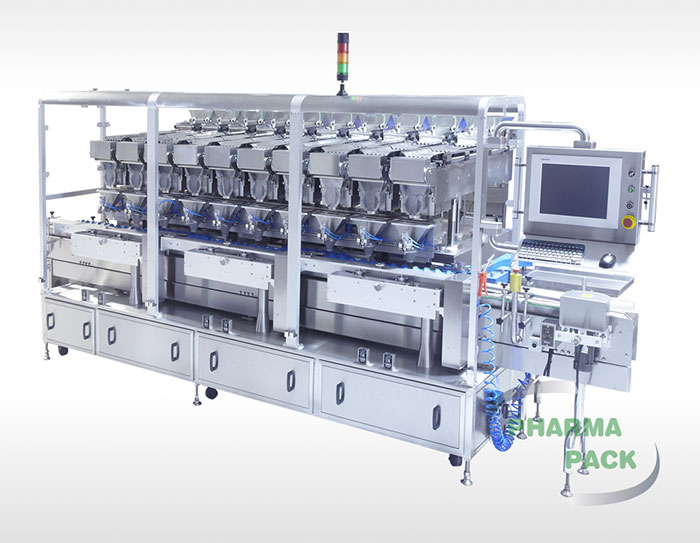
What to Look for in a Tablet Counting Machine
When selecting a tablet counting machine for lightweight capsules, manufacturers should evaluate how the equipment handles products from feeding through discharge.
Stable Feeding and Product Separation
Consistent feeding allows capsules to enter the counting area individually or in a controlled flow, depending on the machine design. Adjustable feeding speed and vibration settings can help accommodate differences in capsule size, shape, and weight.
Excessive vibration may cause capsules to bounce or overlap, while insufficient vibration may lead to congestion. Testing the equipment with the actual capsules is therefore more useful than relying on general specifications alone.
Reliable Counting Sensors
Counting sensors must distinguish individual capsules as they pass through the detection area. Product overlap, irregular spacing, and dust accumulation can affect detection performance.
Manufacturers should ask about sensor accuracy, adjustment options, and the machine's performance during repeated test runs. Testing at different target quantities and operating speeds can help reveal whether the system maintains consistent results under practical conditions.
Effective Static Control Measures
A machine intended for lightweight products should be evaluated for its ability to minimize static-related handling problems. Depending on the equipment design, suitable measures may include grounding conductive components, using appropriate antistatic materials, or integrating static neutralization devices.
No single measure is suitable for every capsule type or production environment. Static control should be assessed alongside humidity, surface materials, product properties, and cleaning requirements.
When a Tablet Counting and Filling Machine Makes Sense
A tablet counting and filling machine combines counting with the transfer of a specified quantity of products into bottles or other containers. For manufacturers packaging capsules, this integration can reduce manual handling and support a more consistent packaging workflow.
However, counting accuracy alone does not guarantee a reliable filling process. Capsules must also move cleanly into the container without excessive bouncing, product loss, or blockage at the discharge opening.
When evaluating an integrated system, manufacturers should consider container positioning, filling speed, changeover requirements, and compatibility with different capsule formats. It is also worth checking whether operators can adjust counting parameters easily when switching between products.
For lightweight capsules, testing the complete process is especially important. A machine may count accurately under isolated conditions but behave differently when connected to a filling line operating at higher speeds.
Practical Ways to Reduce Static Related Problems
Equipment selection is only one part of static management. Maintaining suitable environmental conditions can help reduce electrostatic buildup, although the appropriate humidity range depends on the product and facility requirements.
Regular cleaning is equally important. Dust and product residue can interfere with sensors and affect the movement of capsules along feeding tracks. Operators should follow the manufacturer's cleaning procedures and inspect contact surfaces for wear or damage.
Before changing production settings, teams should document when the problem occurs, which capsule types are affected, and whether the issue changes with operating speed or environmental conditions. This information helps distinguish static electricity from mechanical or sensor related causes.
Manufacturers should also validate counting performance after adjustments and retain inspection records as part of their quality management procedures.
Choosing a Counter Designed for Static Management
For manufacturers seeking to reduce electrostatic interference, Pharmapack's counter solutions offer options worth evaluating, including electrostatic elimination rods on selected configurations. The PP Counter series also supports product counting, dust management, and flexible production setups to address different packaging requirements. Actual performance depends on the selected model and product characteristics.
By matching static control features with reliable feeding, sensor performance, and appropriate operating conditions, manufacturers can build a more consistent capsule packaging process.
Improve Capsule Packaging with Pharmapack
Static electricity can create unexpected challenges when counting lightweight capsules, but a systematic approach to equipment selection and process control can help reduce interruptions and maintain accuracy. From stable feeding to reliable detection and integrated filling, every stage contributes to packaging quality.
Pharmapack provides tablet counting and filling solutions for pharmaceutical and nutraceutical manufacturers. Visit the Pharmapack counting machine range to explore available equipment and discuss the requirements of your capsule packaging application.