How Bottle Neck Design Influences Unscrambler Machine Performance
In automated packaging, bottles must reach filling and capping stations in the correct orientation and at a consistent speed. However, bottle designs vary significantly, and even small differences in neck diameter, shoulder shape, or opening structure can affect how containers move through an unscrambling system. Understanding these factors helps manufacturers select suitable unscrambler machines and avoid unnecessary production interruptions.
At Pharmapack, we recognize that reliable bottle handling depends on matching equipment capabilities with the actual container design. For manufacturers planning a new packaging line or upgrading existing equipment, bottle neck geometry is an important consideration when evaluating machine performance and overall cost.
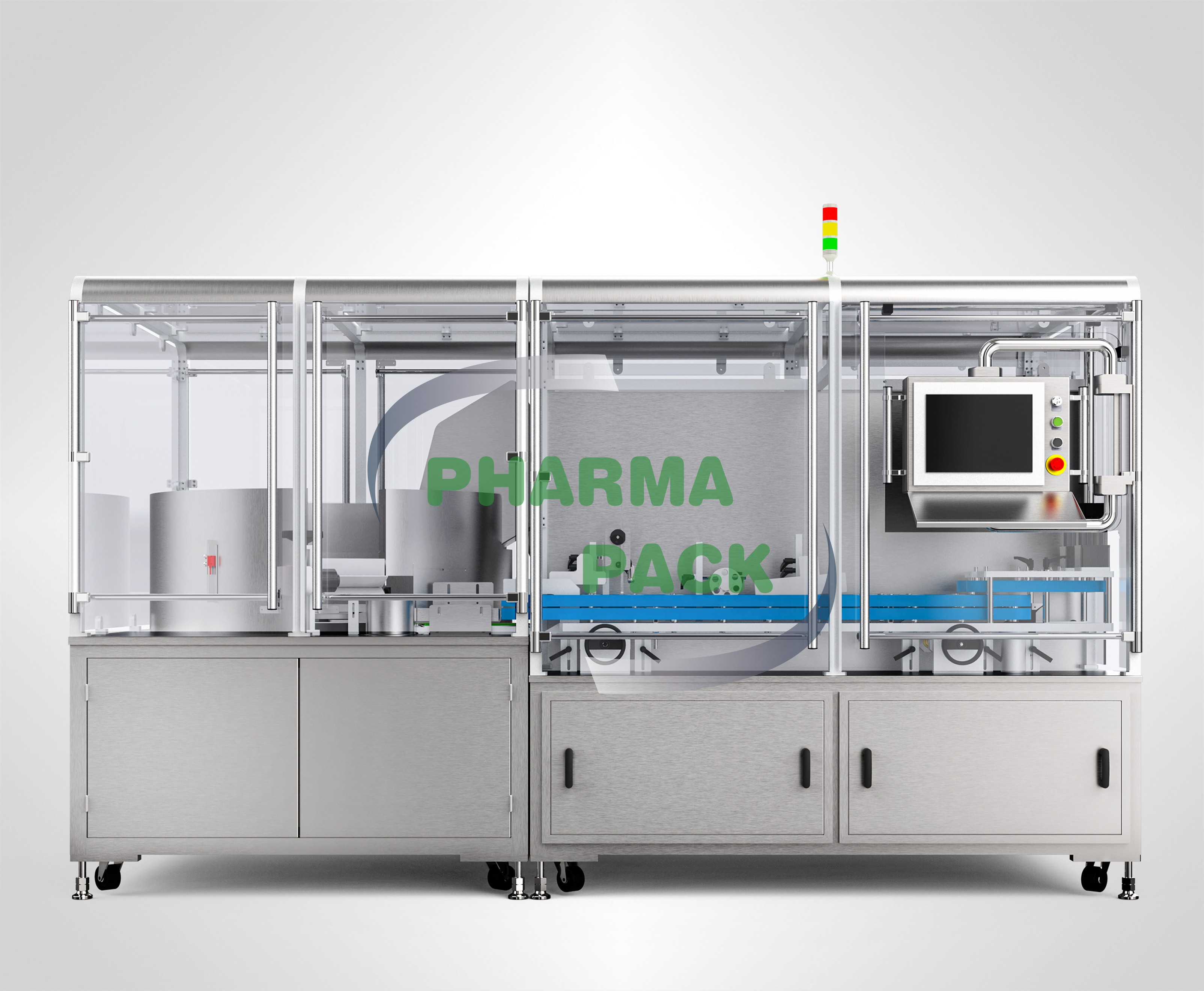
Why Bottle Neck Design Matters in Unscrambling
A bottle unscrambler takes randomly positioned containers and arranges them into a consistent orientation before transferring them to downstream equipment. Although the bottle body influences stability, the neck and shoulder often determine how a container can be guided, held, or positioned.
Neck diameter affects the available clearance between bottles and the machine's guiding components. A narrow neck may require more precise positioning, while a wider opening can change how the bottle interacts with orientation mechanisms. Differences in neck height and shoulder slope can also influence whether containers move smoothly or become caught during transfer.
These details matter because an unscrambler must deliver bottles in a repeatable position for subsequent filling, capping, and labeling. Poor alignment can lead to jams, inconsistent spacing, and additional operator intervention.
How Different Neck Shapes Affect Bottle Orientation
Straight necks with uniform diameters are generally easier to accommodate when the bottle dimensions match the machine's operating range. Their consistent geometry makes it easier to establish predictable guiding and transfer conditions.
Tapered necks and sloping shoulders can present different challenges. Depending on the container design, bottles may tilt or contact guiding components at unexpected points. Equipment settings must account for these differences to maintain stable movement.
Short necks, narrow openings, and unusual shoulder profiles may require more careful evaluation. If a bottle cannot be securely guided by the machine's existing mechanisms, orientation accuracy may decline, especially as operating speed increases.
Containers with handles or asymmetrical bodies introduce additional considerations because their center of gravity and external dimensions may affect stability. In these cases, manufacturers should evaluate the complete bottle geometry rather than focusing on the neck alone.
Choosing Unscrambler Machines for Different Bottle Designs
When comparing unscrambler machines, manufacturers should provide detailed bottle specifications, including neck diameter, neck height, overall height, body diameter, shoulder profile, and base dimensions. Drawings and physical samples can help equipment suppliers determine whether a standard configuration is suitable or whether adjustments are needed.
Production speed is another important factor. A machine may accommodate a particular bottle at a moderate speed but experience more frequent jams when operating near its maximum rated capacity. Testing representative containers under realistic conditions helps establish achievable throughput and identify potential handling problems.
Changeover requirements should also be considered. Facilities that process several bottle formats need to understand which components require adjustment or replacement when switching between containers. Accessible adjustment points and straightforward changeover procedures can reduce downtime and simplify daily operation.
At Pharmapack, our bottle unscrambler range includes the LFU-15FC, LFU-25C, and LFU-40C models, with published maximum speeds of up to 150, 250, and 400 bottles per minute, respectively. Actual performance depends on the bottle design, configuration, and production conditions. Reviewing these factors helps determine which model is appropriate for a specific application.
Understanding Bottle Unscrambler Machine Price
The bottle unscrambler machine price depends on more than the equipment's rated speed. Bottle size compatibility, orientation requirements, automation features, change parts, and integration with existing filling lines can all affect the final quotation.
A machine that handles standard round bottles may have different configuration requirements from one designed for unusual neck profiles or multiple container formats. Additional engineering, testing, or customized components may also influence the investment.
When comparing quotations, manufacturers should evaluate the complete operating cost rather than focusing exclusively on the initial purchase price. Changeover time, maintenance requirements, spare parts availability, and production interruptions all affect long term value.
Providing accurate bottle drawings, expected output, and details of downstream equipment allows suppliers to prepare a more relevant quotation and reduces the risk of purchasing equipment that does not meet production needs.
Make Bottle Compatibility Part of Your Equipment Decision
Bottle neck design directly influences how containers are guided, oriented, and transferred through an automated packaging line. Evaluating neck dimensions alongside the bottle's overall geometry helps manufacturers improve feeding stability, reduce interruptions, and select equipment that meets their production requirements.
Pharmapack provides bottle unscrambling solutions for pharmaceutical, healthcare, food, and other packaging applications. By reviewing your container specifications, target production speed, and integration requirements, our team can help identify a suitable equipment configuration.
Visit the Pharmapack to explore available models and discuss your bottle handling requirements.