Integrating an Inserter Machine into a Turnkey Bottle Line: What to Define Early
Building a turnkey bottle packaging line requires more than selecting individual machines with suitable production capacities. Each piece of equipment must work smoothly with the others, from bottle feeding and filling to component insertion, capping, labeling, and final inspection. An inserter machine plays an important role in this process, and defining its interfaces early can help manufacturers avoid integration problems, unexpected downtime, and costly modifications.
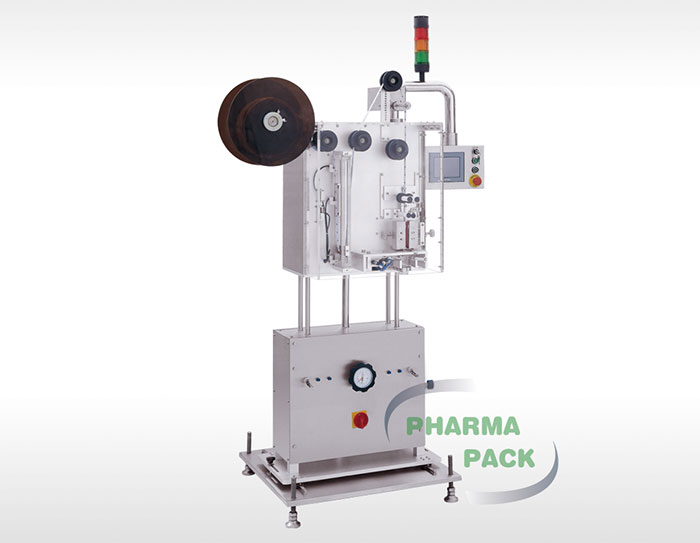
For pharmaceutical manufacturers packaging tablets, capsules, and other moisture sensitive products, a pouch inserter may be required to place protective pouches into bottles at a specific stage of production. Understanding how this equipment connects with the rest of the line helps ensure reliable operation and consistent packaging quality.
Why Early Interface Planning Matters
In a turnkey packaging project, equipment is often sourced from different manufacturers or designed around separate production requirements. Even when individual machines meet their performance specifications, differences in bottle handling, control systems, and transfer timing can create problems during integration.
For example, a filling machine may release bottles at a different rate than the inserter can process them. A poorly defined transfer point may cause bottles to accumulate, tip over, or stop moving. Communication gaps between machine controls can also make it difficult to coordinate production stops and restarts.
Defining interfaces before equipment installation allows the project team to identify these issues during the planning stage. It also establishes clear responsibilities for mechanical connections, electrical integration, and operating sequence coordination.
Mechanical Interfaces for a Pouch Inserter
Mechanical compatibility is one of the first considerations when integrating a pouch inserter into a bottle line. The machine must accommodate the container dimensions, shapes, and stability requirements of the intended products.
Bottle height, diameter, neck geometry, and material can influence how containers are guided into the insertion station. If the bottle handling system is not properly matched to the container, positioning may become inconsistent, affecting insertion accuracy.
Manufacturers should confirm conveyor height, transfer direction, line spacing, and the available installation footprint before finalizing the equipment layout. The design should also provide sufficient space for operators to access components for cleaning, maintenance, and changeover.
The pouch format requires equal attention. Pouch dimensions, material flexibility, and feeding characteristics can affect how reliably the inserter separates and places each pouch. Sharing representative bottle and pouch samples with the equipment supplier early in the project can help verify compatibility and identify necessary adjustments.
Electrical and Control System Integration
Mechanical compatibility alone does not guarantee smooth production. An inserter machine must also communicate effectively with upstream and downstream equipment.
During project planning, manufacturers should define the control signals required between machines. These may include running status, ready signals, fault conditions, emergency stop interfaces, and bottle accumulation or blockage notifications.
For example, if a pouch inserter detects a feeding fault, the upstream equipment may need to stop or reduce output to prevent bottles from reaching a station that cannot process them. Similarly, the downstream capping machine may need to coordinate with the inserter to avoid unnecessary accumulation.
The project team should also confirm the control platform, communication protocols, signal ownership, and restart sequence. Establishing these details early helps reduce troubleshooting during commissioning and clarifies which supplier is responsible for resolving interface issues.
Production Capacity and Line Synchronization
An inserter machine must operate at a rate compatible with the entire bottle packaging line. Selecting equipment based only on its maximum rated speed can create unrealistic expectations if actual production conditions are different.
When assessing a pouch inserter, manufacturers should consider the required bottles per minute, expected format changes, pouch feeding reliability, and the time needed to recover from interruptions. The team should also account for the performance of connected machines rather than evaluating each station independently.
Buffer capacity and accumulation logic may be necessary to manage short interruptions. However, additional accumulation space should not replace proper synchronization between machines.
A clear production specification should identify the target line speed, acceptable interruption frequency, container range, and expected operating conditions. These requirements provide a practical basis for equipment selection and factory acceptance testing.
Cleaning, Changeovers, and Maintenance Access
A turnkey line must be practical to operate after installation, not simply capable of running during initial testing. Cleaning access, component replacement, and format changeovers should therefore be included in the original interface plan.
Manufacturers should confirm whether guides, change parts, and product handling components can be accessed without interfering with adjacent equipment. They should also review the clearance needed to open machine guards, perform inspections, and complete routine maintenance.
For facilities handling different products or container formats, changeover procedures deserve particular attention. Clearly defined settings and repeatable adjustment methods can help operators restore the required production conditions more efficiently.
How Pharmapack Fits into Turnkey Line Planning
Pharmapack provides inserter machine solutions for packaging applications where reliable component placement and coordinated equipment operation are important. When considering a pouch inserter, manufacturers should evaluate the machine in relation to their bottle specifications, packaging materials, production targets, and existing or planned line configuration.
Discussing mechanical dimensions, control requirements, line speed, and maintenance access with Pharmapack early can help establish realistic integration expectations. These discussions also give the project team an opportunity to identify testing requirements before equipment delivery.
Establishing a Reliable Packaging Line from the Start
Successful turnkey bottle line integration depends on clearly defined interfaces as much as individual machine performance. By addressing mechanical compatibility, control communication, production synchronization, and maintenance access early, manufacturers can reduce commissioning difficulties and improve operational consistency.
When selecting an inserter machine, treating the pouch inserter as part of the complete production system helps ensure that equipment decisions support the needs of the entire line. With early coordination and clear technical requirements, Pharmapack can be part of a packaging solution designed for dependable operation and long term maintainability.