How High-Speed Visual Inspection Improves Ampoule Quality Control
In pharmaceutical production, ensuring the quality of ampoules is a critical step that directly affects product safety and compliance. We often see manufacturers seeking more stable and efficient solutions to detect cosmetic defects, particles, and filling inconsistencies. A pharmaceutical visual inspection machine plays a key role in this process by combining precision optics with automated decision-making. As production volumes increase, relying on manual inspection becomes less practical, which is why high-speed systems are gradually becoming part of modern packaging lines.
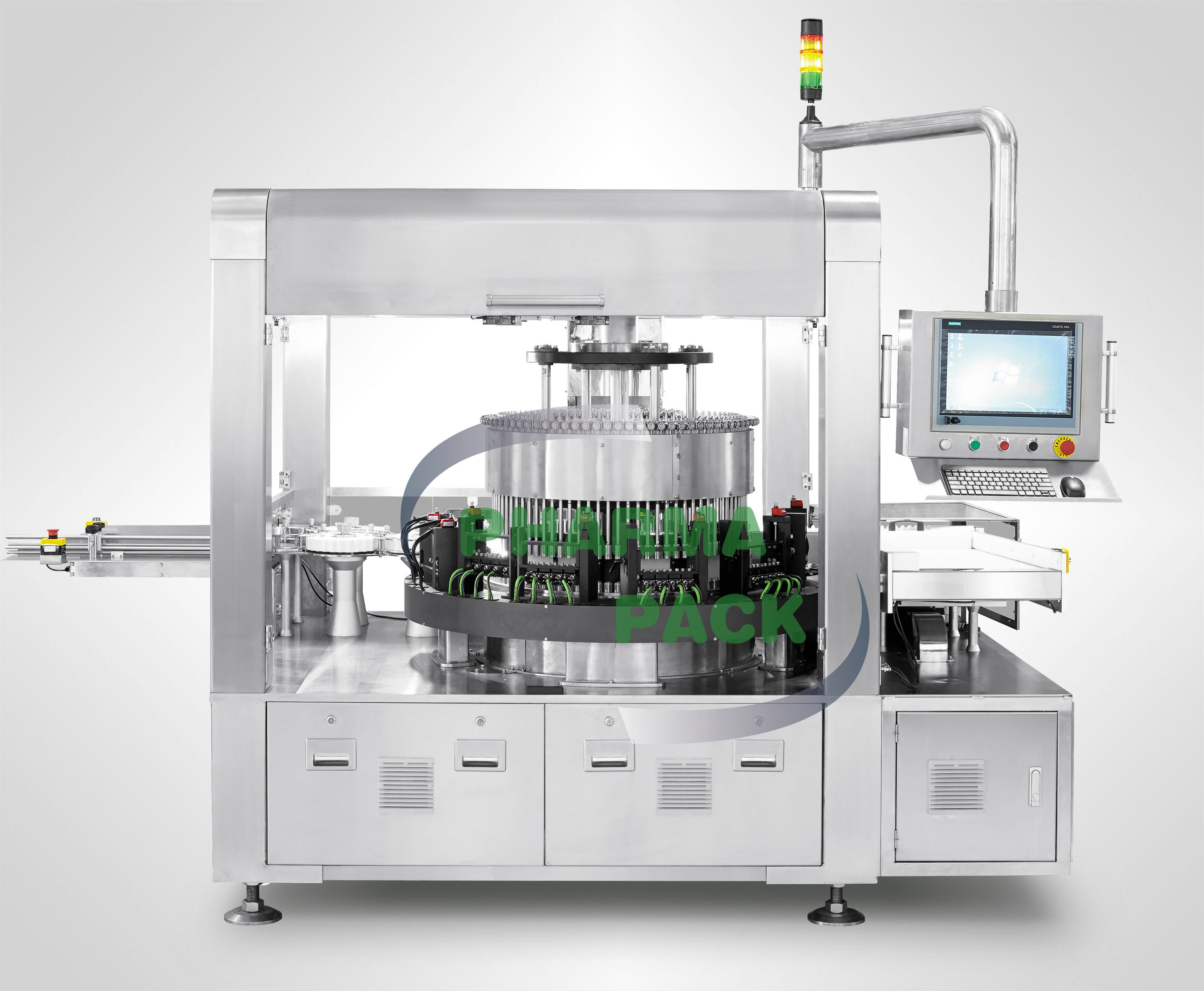
Enhanced Detection Accuracy and Process Stability
One of the most notable advantages of high-speed automatic visual inspection systems is their ability to maintain consistent detection accuracy over long production cycles. We design such systems to reduce human variability by applying standardized inspection criteria across every ampoule. This helps identify defects such as cracks, contamination, or improper sealing with greater reliability.
At the same time, advanced servo control and synchronized motion allow the inspection process to run smoothly at high speeds without compromising precision. As a vial inspection machine manufacturer, we understand that stability is just as important as speed. A well-balanced system ensures that each ampoule is inspected under the same conditions, which supports repeatable quality outcomes and reduces the risk of overlooked defects.
Increased Efficiency and Reduced Labor Dependency
High-speed inspection machines significantly improve overall production efficiency by handling large volumes of ampoules in a short time. We often integrate these systems into automated packaging lines so that inspection becomes a seamless part of the workflow rather than a separate step. This integration minimizes bottlenecks and allows manufacturers to maintain a steady output.
Another important benefit is the reduction in manual labor. While human inspection can be effective for small batches, it becomes challenging to sustain accuracy at scale. Automated systems reduce operator fatigue and enable staff to focus on monitoring and optimization instead of repetitive visual tasks. In our experience, this shift not only improves productivity but also contributes to a more controlled manufacturing environment.
Data Traceability and Smart Integration Capabilities
Modern inspection systems are not limited to defect detection; they also provide valuable data for quality management. We emphasize the importance of traceability, where inspection results can be recorded, analyzed, and linked to specific batches. This supports compliance requirements and helps manufacturers respond quickly to quality issues.
In addition, these machines can be integrated with track-and-trace systems and other smart packaging solutions. For example, at Pharmapack, we have developed inspection technologies that align with broader automation strategies, enabling communication between different equipment modules. This creates a more connected production line where information flows efficiently and supports continuous improvement.
Conclusion
High-speed automatic visual inspection machines offer clear advantages in ampoule production by improving detection accuracy, enhancing operational efficiency, and enabling better data management. We see these systems as an essential part of modern pharmaceutical manufacturing, especially as quality standards continue to evolve. By combining stable performance with intelligent integration, manufacturers can achieve more consistent results while maintaining flexibility in their production processes.