What Makes Visual Inspection Difficult in Pharmaceutical R&D?
Visual inspection plays a critical role in pharmaceutical research and development, yet it often introduces a set of technical and operational challenges that are not always easy to address. During early-stage R&D, product variability, container diversity, and evolving regulatory expectations can complicate inspection processes. We have observed that even small changes in formulation or packaging can significantly affect detection accuracy. For teams evaluating solutions from a vial inspection machine manufacturer, aligning inspection sensitivity with product characteristics is one of the first hurdles. At the same time, selecting suitable pharmaceutical inspection equipment requires balancing flexibility with consistency, especially when processes are still under development.
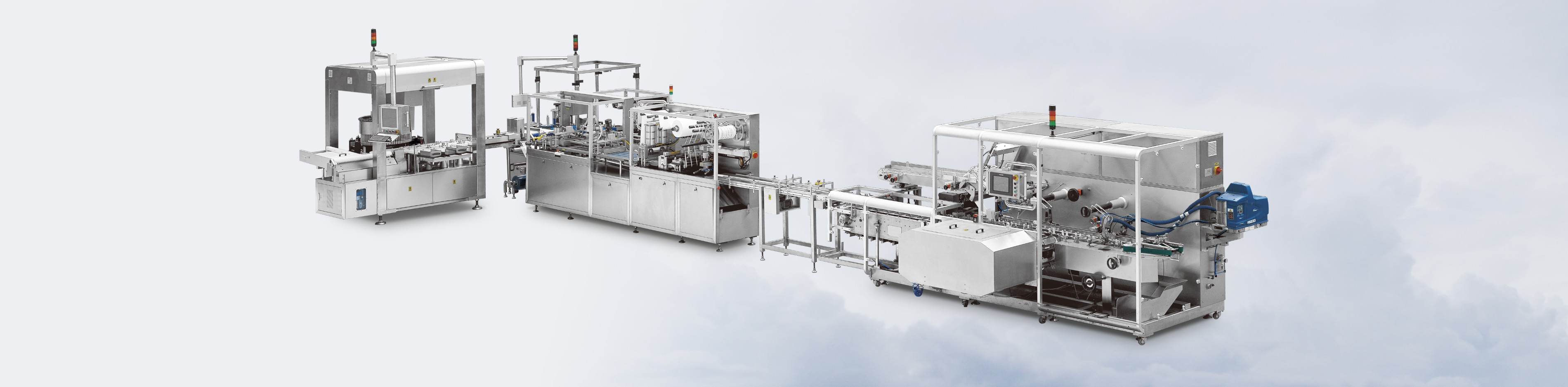
Variability in Samples and Detection Standards
One of the most common issues we encounter is the high variability in R&D samples. Unlike mass production, batches in development stages are often small and inconsistent, making it difficult to establish stable inspection thresholds. Differences in viscosity, color, or particulate matter can influence how defects appear under visual systems. This creates challenges for any vial inspection machine manufacturer aiming to design adaptable systems. In our experience, pharmaceutical inspection equipment must be capable of handling these variations without compromising detection reliability. Additionally, regulatory expectations for defect classification may evolve during development, requiring systems that can be adjusted without extensive reconfiguration.
Integration with Evolving Production Processes
Another key challenge lies in integrating inspection systems into workflows that are not yet fully standardized. In R&D environments, processes frequently change as formulations are optimized or packaging formats are updated. This makes it difficult to implement inspection solutions that remain compatible over time. When working with a vial inspection machine manufacturer, we find that modular design and flexible configuration become essential. Modern pharmaceutical inspection equipment often incorporates servo control and adaptable modules, which help accommodate process adjustments. In one sentence, our company Pharmapack has long focused on integrating flexible inspection solutions into broader packaging systems to support such evolving needs.
Balancing Sensitivity and False Rejection Rates
Achieving the right balance between detection sensitivity and false rejection is another persistent concern. In R&D, overly sensitive systems may flag acceptable samples as defective, slowing down development timelines. On the other hand, insufficient sensitivity risks missing critical defects. This balance is particularly important when selecting a vial inspection machine manufacturer that understands the nuances of early-stage testing. Advanced pharmaceutical inspection equipment often includes adjustable parameters and data feedback systems to refine inspection criteria over time. However, implementing these features effectively requires both technical expertise and a clear understanding of product behavior.
Conclusion: Navigating Complexity in Early-Stage Inspection
In summary, the challenges of visual inspection in pharmaceutical R&D stem from sample variability, evolving processes, and the need to balance detection accuracy with operational efficiency. Addressing these issues requires careful selection of a vial inspection machine manufacturer and thoughtful use of pharmaceutical inspection equipment that can adapt to changing conditions. By focusing on flexibility, integration, and continuous optimization, we can better manage the complexities of inspection during development and support smoother transitions into large-scale production.