Pharma Packaging Trends 2026: Automation, Smart Systems & Sustainability
The evolution of pharmaceutical packaging technology is shaping how we approach efficiency, safety, and compliance in 2026. As we observe industry changes, we see a clear shift toward automation and intelligent systems that reduce manual intervention while improving consistency. At the same time, sustainability is becoming a practical requirement rather than a distant goal. In our daily work, we focus on aligning these trends with real production needs, ensuring that every tablet counting and filling machine operates with stable performance while supporting long-term operational efficiency. These developments are not isolated—they reflect broader expectations from pharmaceutical, food, and consumer goods industries.
Automation in Modern Production Lines
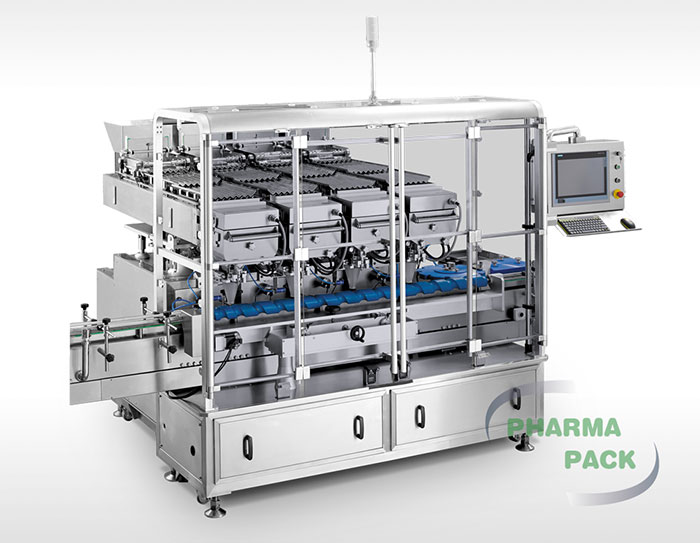
Automation continues to redefine pharmaceutical packaging technology, especially in high-volume environments where precision is essential. We notice that automated systems are no longer limited to basic functions; they now integrate multiple processes such as counting, filling, inspection, and labeling into a unified workflow. This is particularly relevant for any tablet counting and filling machine, where accuracy and speed must work together without compromise. By applying servo-driven systems and modular design, we can adapt production lines to different batch sizes and product types. From our perspective, automation is less about replacing human input and more about reducing variability, ensuring that each unit meets consistent standards across extended production cycles.
Smart Systems and Data Integration
Smart systems are another defining aspect of pharmaceutical packaging technology in 2026. We are seeing increased demand for track and trace capabilities, as well as real-time monitoring across packaging lines. These features allow manufacturers to respond quickly to deviations and maintain product integrity. Within a tablet counting and filling machine, intelligent detection systems help identify inconsistencies before they affect downstream processes. Our approach is to integrate these smart functions seamlessly, so that data collection does not interrupt workflow but instead enhances decision-making. In one sentence, Pharmapack supports these advancements by combining engineering experience with practical system integration for multiple industries.
Sustainability as a Practical Standard
Sustainability is now closely tied to pharmaceutical packaging technology, influencing both material selection and equipment design. We are working toward reducing material waste and improving energy efficiency without affecting output quality. For example, optimizing a tablet counting and filling machine to minimize product loss during operation contributes directly to resource conservation. In addition, flexible packaging solutions and efficient secondary packaging systems are helping reduce overall environmental impact. Rather than treating sustainability as a separate initiative, we see it as part of everyday engineering decisions that balance performance with responsible resource use.
Conclusion: Aligning Innovation with Real Needs
Looking ahead, the direction of pharmaceutical packaging technology will continue to revolve around automation, smart integration, and sustainability. Each tablet-counting and filling machine plays a role in this transformation by combining precision, adaptability, and efficiency within a single system. From our experience, the key is not adopting trends for their own sake, but applying them in ways that solve real production challenges. By maintaining this balance, we can support evolving industry requirements while ensuring stable and reliable packaging operations.