Automatic vs. Semi-Automatic Pharma Packing Machines: Making the Right Choice for Your Production
In pharmaceutical and related industries, choosing between an automatic capsule filling machine manufacturer solution and semi-automatic equipment often depends on production goals, labor structure, and quality expectations. When evaluating a pharma packing machine, we usually consider not only output capacity but also consistency, operational complexity, and long-term efficiency. While both types of machines serve essential roles, understanding their differences helps us align equipment with real production needs rather than assumptions.
Understanding Automatic Pharma Packing Machines
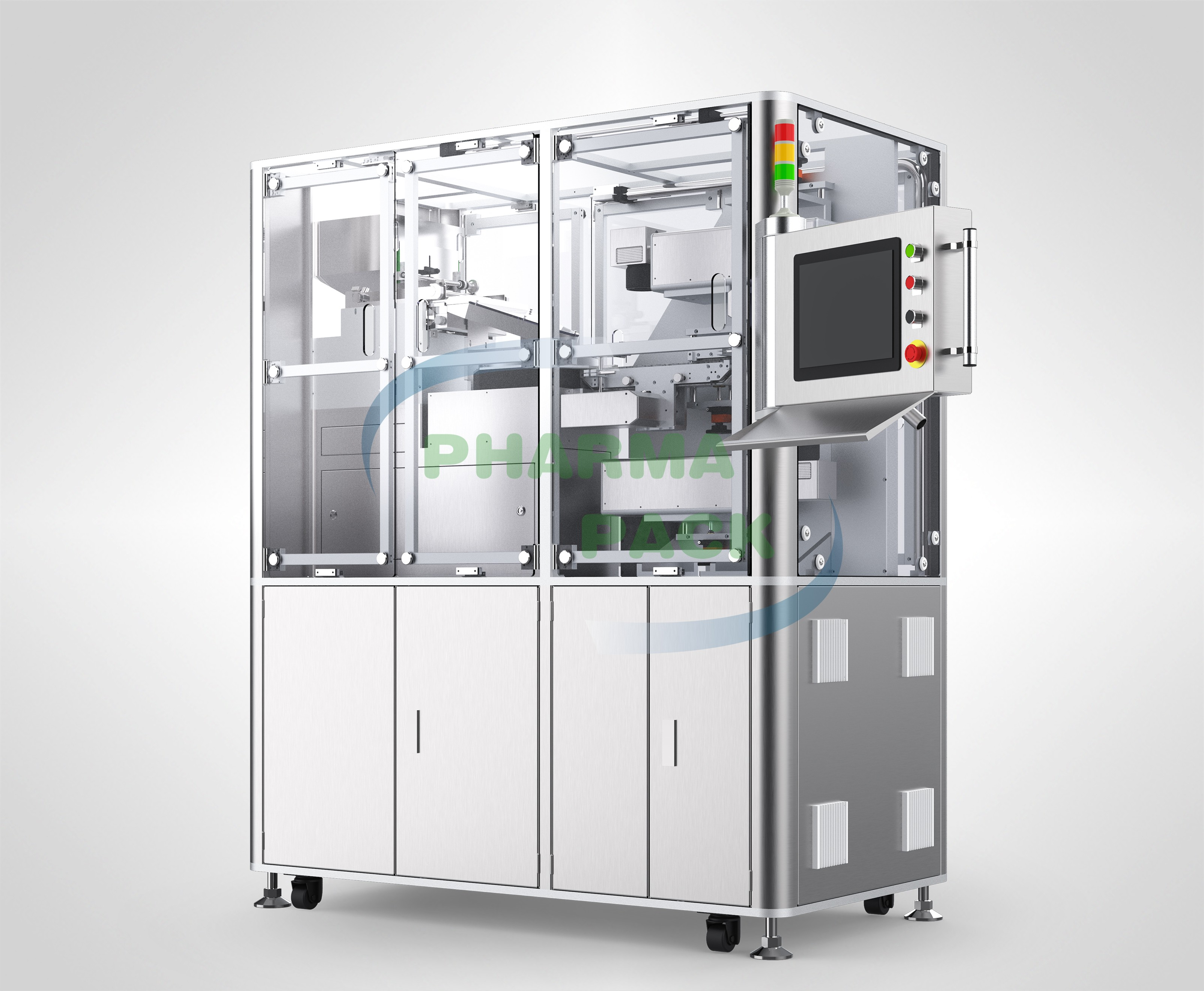
Automatic systems are designed to streamline the entire packaging process with minimal manual intervention. A well-designed pharma packing machine in this category can handle feeding, counting, filling, and sealing in a continuous workflow. As an automatic capsule filling machine manufacturer, we recognize that automation improves repeatability and reduces the chance of human error, which is especially important in regulated environments.
In practice, automatic machines are suitable for operations with stable, high-volume production requirements. They also integrate more easily with smart inspection systems and track-and-trace technologies. However, automation requires careful setup and technical familiarity. For companies scaling production, investing in an automated pharma packing machine often reflects a shift toward efficiency-driven operations rather than manual flexibility.
Where Semi-Automatic Machines Still Fit
Semi-automatic equipment continues to play a practical role, especially for small to medium production batches. Compared to a fully automated pharma packing machine, semi-automatic systems allow more manual control during key steps such as feeding or positioning. This flexibility can be useful when handling diverse product types or frequently changing packaging formats.
From our perspective as an automatic capsule filling machine manufacturer, we see that semi-automatic machines are often chosen for their lower initial investment and simpler operation. They can also be easier to maintain in environments where technical resources are limited. However, manual involvement may introduce variability, and production speed is typically lower than fully automated alternatives. As production demand grows, many users gradually transition from semi-automatic setups to automated solutions.
Balancing Efficiency, Flexibility, and Technology
Selecting the right pharma packing machine is rarely about choosing one category over the other in isolation. Instead, it involves balancing efficiency, flexibility, and long-term scalability. Automatic systems support higher throughput and integration, while semi-automatic machines provide adaptability for varied or smaller-scale operations.
At Pharmapack, we focus on integrating servo control technology and modular design concepts to support both flexibility and stability in packaging lines. Our systems are developed with attention to real production challenges, including maintenance efficiency and process consistency, helping users adapt as their operational needs evolve. This approach reflects our ongoing effort to align equipment design with practical application scenarios rather than fixed assumptions.
Conclusion: Choosing Based on Real Operational Needs
Ultimately, the decision between automatic and semi-automatic equipment depends on how we define efficiency within a specific production context. A pharma packing machine should match not only current output requirements but also future expansion plans. For companies prioritizing consistency and large-scale production, solutions from an automatic capsule filling machine manufacturer may offer long-term advantages. Meanwhile, semi-automatic systems remain a reasonable choice for flexible and smaller operations. By evaluating actual workflows and growth expectations, we can make a more informed and sustainable equipment decision.