Key Reasons for Evaluating Multiple Pharma Inspection Vendor Options
Quality control has become a key focus for pharmaceutical manufacturers as production standards continue to become stricter. When selecting suppliers, buyers do not only consider equipment prices but also evaluate technology, compliance, reliability, and long-term service capabilities. At Pharmapack, we understand why companies carefully compare pharmaceutical inspection equipment providers before making investment decisions. The right partner can help manufacturers maintain consistent quality, improve efficiency, and meet demanding production requirements.
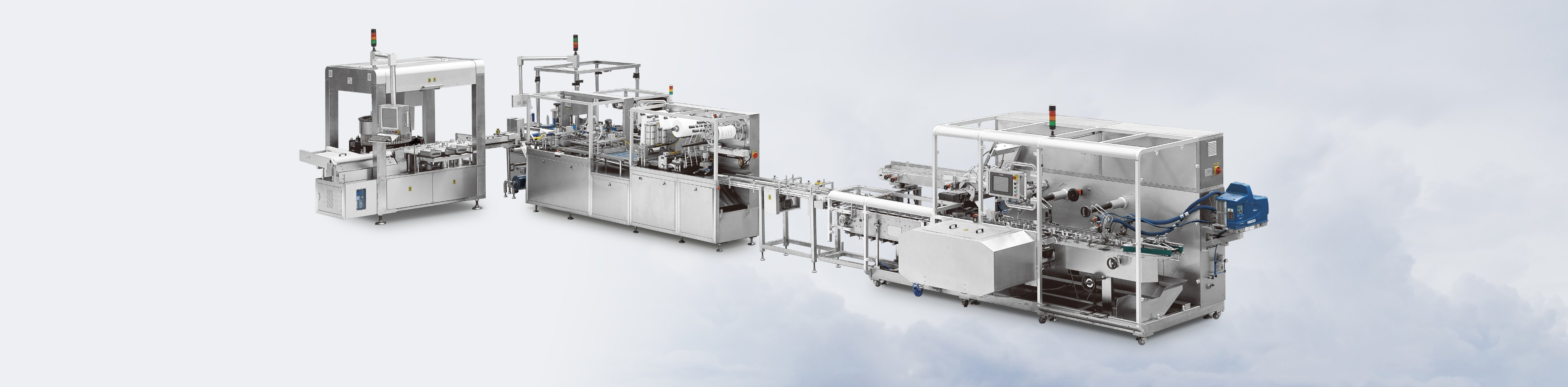
Why Buyers Pay Attention to Pharmaceutical Inspection Equipment Suppliers
Pharmaceutical production requires precise inspection processes to ensure that every container meets quality expectations. From vials and ampoules to oral liquid bottles, manufacturers need reliable inspection solutions that can identify potential defects before products reach the market.
When buyers compare pharmaceutical inspection equipment suppliers, they usually focus on several important factors, including inspection accuracy, machine stability, compliance with GMP standards, and integration with existing production lines. A supplier with strong technical experience can provide solutions that support both current production needs and future expansion.
The advanced inspection technologies are purpose-built to meet the unique quality demands of the pharmaceutical industry. Our equipment portfolio focuses on helping manufacturers improve quality control while maintaining efficient production processes.
Inspection Accuracy Is Essential for Pharmaceutical Quality Control
Inspection accuracy is a basic requirement when purchasing pharmaceutical inspection equipment. Buyers need to know whether a machine can identify defects consistently at production speed, rather than relying on occasional manual checks.
Automated vision inspection can reduce human variability and provide more repeatable quality control. For vial and bottle production, key inspection points may include foreign matter, impurities, liquid levels, cracks, and other visible defects. The LFIM-72, for example, uses camera-based inspection to address these requirements and can reach speeds of up to 800 vials per minute, depending on product size.
GMP Compliance and Machine Structure Influence Purchasing Decisions
Compliance should be considered alongside inspection performance. Equipment used in pharmaceutical production needs to support hygienic operation, easy cleaning, and the requirements of regulated manufacturing environments.
Machine structure and material selection therefore matter during supplier evaluation. Stainless steel and other suitable materials can improve corrosion resistance and simplify routine maintenance, while a well-designed structure helps reduce potential contamination risks. These details are often more important to long-term production than machine specifications alone.
Component Quality Matters for Long-Term Reliability
A machine may meet performance requirements when new, but its long-term value depends heavily on component reliability. Unplanned downtime can interrupt production schedules, increase maintenance costs, and affect overall equipment efficiency.
When comparing suppliers, buyers should therefore consider the quality and availability of electrical, control, and mechanical components. International-standard components can help support stable operation and make future maintenance more manageable. The goal is not simply to purchase a quality inspection machine that works, but one that can remain dependable throughout its service life.
Intelligent Monitoring Makes Daily Operation Easier
Inspection equipment also needs to work well for the people operating it. Clear monitoring interfaces, useful alarms, and straightforward controls can help operators understand machine status and respond to problems without unnecessary delays.
This is particularly relevant for continuous production, where small interruptions can quickly affect output. Intelligent monitoring can give operators better visibility into inspection processes and machine conditions, making daily operation easier while reducing the need for constant manual supervision.
Flexible Rejection Systems Improve Production Flow
Inspection is most effective when defect detection is connected directly to product handling. Automatic rejection allows non-conforming containers to be removed without adding another manual step, helping maintain a continuous production flow.
For buyers, this means evaluating not only whether a machine can detect defects, but also what happens after detection. The LFIM-72 provides an example of this approach by automatically separating rejected containers while qualified products continue to the next stage.
Choosing a pharmaceutical inspection machine is ultimately about more than camera accuracy or production speed. Buyers should consider inspection capability, GMP-oriented design, component reliability, ease of operation, and how effectively the system fits into the wider production process. These factors together determine whether an inspection solution can deliver consistent value over the long term.
Building Confidence Through the Right Inspection Technology Partner
Selecting pharmaceutical inspection equipment suppliers is a strategic decision that affects product quality, production efficiency, and regulatory compliance. Buyers need partners who can provide not only advanced machines but also professional knowledge and dependable support.
At Pharmapack, we continue to develop reliable inspection technologies that help pharmaceutical companies improve their quality management systems. The LFIM-72 Continuous Inspection Machine represents our commitment to precision, stability, and efficient pharmaceutical production.
By combining high-speed camera inspection, GMP-compliant construction, intelligent monitoring, and reliable components, we provide solutions that meet the evolving needs of modern pharmaceutical manufacturers. Choosing the right quality inspection machine supplier allows businesses to strengthen production confidence and achieve sustainable growth.