How Bottle Neck Size Affects Cotton Inserter Setup and Performance
In automated bottle packaging, a cotton inserter may appear to perform a simple task, but its setup depends closely on the bottle format. Bottle neck diameter, container height, cotton length, and insertion position all influence how smoothly cotton can be fed and placed inside the bottle.
For pharmaceutical, healthcare, and related packaging applications, selecting the right cotton inserter configuration is therefore more than choosing a machine based on speed. At Pharmapack, we consider the relationship between the bottle and the insertion mechanism to help create a stable packaging process.
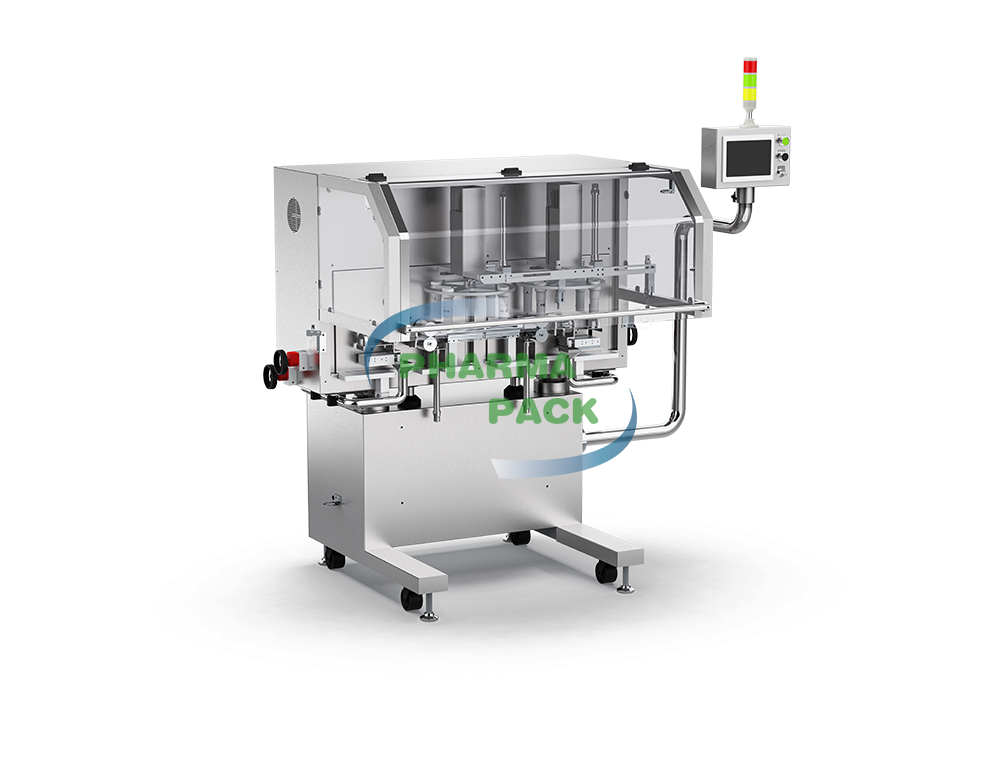
Why Bottle Neck Size Matters
The bottle neck is the direct entry point for the cotton, making its dimensions an important factor in machine setup. A narrow opening provides less space for the cotton to pass through, while a wider neck allows greater tolerance during insertion.
The machine must guide the cotton accurately from the feeding mechanism into the bottle. Pharmapack's cotton inserter uses a controlled feeding and insertion process in which cotton is driven forward, cut to the required length, transferred through an insertion pipe, and then pushed into the bottle.
As bottle neck dimensions change, the insertion position and related mechanical settings may also need to be adjusted. This is particularly important when one packaging line needs to handle multiple bottle formats.
What Changes Between Different Bottle Formats?
A change in bottle neck size does not necessarily mean that the entire cotton inserter must be replaced. Instead, the relevant machine settings and components need to correspond with the container being processed.
The first consideration is the insertion path. The cotton needs to enter the bottle cleanly without folding incorrectly, becoming trapped at the opening, or extending above the bottle neck. The relationship between the insertion pipe and the bottle opening is therefore critical.
Bottle height is another factor. The cotton inserter must position the bottle and insertion mechanism at the correct working height. Pharmapack's LFIC series is designed for different bottle formats, with models offering different applicable bottle dimensions and production capacities. For example, the LFIC-06 accommodates bottle outer diameters from 30 to 100 mm and bottle heights from 40 to 200 mm.
Cotton length also influences the setup. If the cotton piece is too long for the bottle format, it may interfere with subsequent capping or sealing operations. If it is too short, it may not provide the intended cushioning effect. The cotton feeding and cutting system must therefore be coordinated with the container and product requirements.
Matching Machine Configuration to Production Requirements
When selecting a China cotton inserter machine, it is useful to evaluate bottle specifications together with the required production speed. A machine that supports the correct bottle neck but cannot meet the required output may create a bottleneck elsewhere in the packaging line.
Pharmapack's LFIC-20 High Speed Cotton Inserter supports bottle neck diameters above 20 mm and bottle heights above 30 mm, with a maximum stated production speed of up to 200 bottles per minute, depending on product conditions.
For lower or medium production requirements, other configurations may be more appropriate. The LFIC 12, for example, has a maximum stated speed of 120 bottles per minute and accommodates bottle outer diameters from 30 to 100 mm and bottle heights from 40 to 200 mm.
This range allows the machine configuration to be considered according to the actual bottle format rather than relying on production speed alone.
Consider the Complete Packaging Line
Cotton insertion is rarely an isolated operation. After tablets, capsules, or other dry products are filled into bottles, the packaging process may continue through capping, sealing, labeling, and cartoning.
For this reason, the cotton inserter needs to maintain consistent bottle positioning and output so that downstream equipment can operate smoothly. Pharmapack's LFIC cotton inserters can be integrated with automatic counters, cappers, sealers, labelers, and cartoners to form a more complete bottle packaging line.
A bottle format change should therefore be evaluated across the complete line. Even when the cotton insertion itself can be adjusted, the conveyor, bottle positioning, and following packaging equipment may also require corresponding changes.
A Practical Approach to Cotton Inserter Selection
For a new packaging project, we recommend starting with the actual bottle specifications rather than selecting a cotton inserter based only on advertised speed. Bottle neck diameter, bottle height, outer diameter, cotton type, cotton length, required insertion quantity, and target production rate all provide useful information for determining the appropriate configuration.
At Pharmapack, our cotton inserter solutions are designed for applications involving pharmaceutical, healthcare, food, and other products packaged in bottles. Servo motor control and PLC-based systems are used in the LFIC series to support controlled and repeatable operation.
The right setup can make format changes more manageable while maintaining stable cotton feeding and insertion throughout production.
Choosing the Right Configuration for Your Bottles
Bottle neck size is one of the key dimensions affecting cotton inserter setup, but it is only one part of the overall equation. Bottle height, cotton specifications, production speed, and integration with other packaging equipment should be considered together.
Pharmapack provides multiple cotton inserter configurations, including the LFIC-06, LFIC 12, and LFIC-20, allowing different packaging requirements to be matched with appropriate machine specifications.
When evaluating a China cotton inserter machine, providing accurate bottle drawings and production requirements can help determine the suitable insertion configuration before installation. This approach reduces unnecessary adjustments and creates a clearer path toward reliable automated bottle packaging.