Optimizing Sensor Placement in a Bottle Unscrambler Machine for Better Flow Control
In an automated bottle handling line, stable bottle flow depends on more than mechanical orientation. Sensors play an important role in detecting bottle availability, accumulation, movement, and potential interruptions before they develop into larger line problems. For a bottle unscrambler machine, the position of each sensor can directly affect how quickly the control system responds to changing bottle conditions.
At Pharmapack, we consider sensor placement as part of the overall bottle handling process rather than an isolated electrical component. The goal is to provide timely flow information so the machine can coordinate feeding, unscrambling, conveying, and downstream operations more effectively.
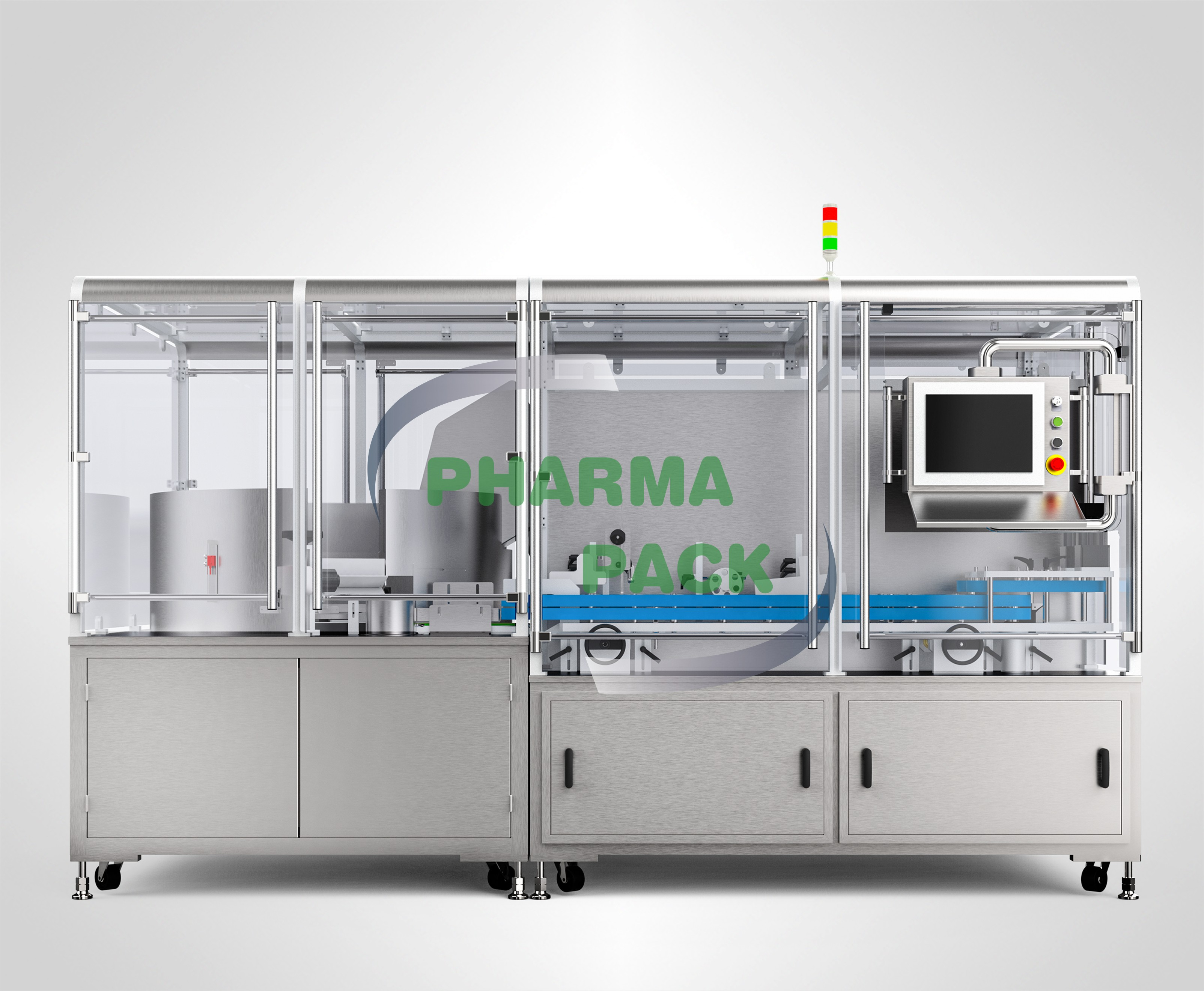
Why Sensor Position Matters in a Bottle Unscrambler Machine
A bottle unscrambler normally receives randomly arranged bottles and prepares them for controlled transfer to the next stage of production. The process involves several transitions, including bulk feeding, bottle separation, orientation, spacing, and discharge. Each transition can create a different flow condition.
If a sensor is positioned too far from the point where a problem begins, the control system may receive the signal only after the bottle flow has already become unstable. If it is positioned too close, the detection window may not provide enough time for the machine to respond.
For this reason, sensor placement should correspond to the actual movement of bottles through the equipment. Photoelectric sensors are commonly used to detect bottle presence and accumulation, allowing the machine to adjust feeding or stop selected mechanisms when necessary. Similar sensor arrangements are used in automatic bottle unscrambler machine designs to coordinate bottle supply with downstream conveyors.
Detecting Bottle Flow Before It Becomes a Bottleneck
Early detection is particularly important around the infeed and discharge areas. When the bottle supply becomes insufficient, the unscrambler may eventually run empty and interrupt the downstream filling process. Conversely, excessive accumulation can create pressure between containers and affect orientation or transfer.
A properly positioned sensor can identify these conditions earlier. For example, a low-level detection point in the feeding area can signal that additional bottles are required, while a downstream sensor can monitor whether bottles are leaving the unscrambler at the expected rate.
The purpose is not simply to detect whether a bottle exists. The control system can use these signals to coordinate different machine sections. Commercial automatic unscrambler designs commonly use photoelectric detection for bottle inventory, blockage monitoring, and communication between feeding and conveying sections.
Sensor Placement Across Different Machine Zones
The feeding zone is the first area to consider. A sensor here can monitor the available bottle quantity and help regulate the supply mechanism. When the detected bottle level falls below the required range, the feeding system can respond before the machine reaches an empty condition.
The orientation and separation zone requires a different approach. Bottles are being separated and arranged at this stage, so the sensor needs to detect movement without being affected by normal bottle accumulation. The detection point should provide enough information for the control system to recognize abnormal flow while allowing normal operation to continue.
The discharge zone is equally important. Once bottles have been oriented, the system needs to confirm that they are moving toward the next conveyor. A downstream detection point can help identify accumulation or blockage and coordinate the unscrambler with subsequent equipment. In integrated packaging lines, matching the unscrambler's output with downstream demand is essential for avoiding both starvation and excessive accumulation.
What Engineers Should Consider Before Choosing Sensor Positions
Sensor placement should always be evaluated together with the bottle itself. Bottle diameter, height, material, shape, weight, and stability can influence how containers move through guides and conveyors.
For example, a lightweight bottle may move differently from a heavier container when acceleration or air pressure is applied. A tall bottle may also require more controlled transfer than a short, stable container. Therefore, a sensor position that works for one bottle format may not provide the same detection performance after a format change.
Production speed is another consideration. Pharmapack's LFU-25C High Speed Bottle Unscrambler, for example, is specified for up to 250 bottles per minute, with supported bottle dimensions covering round and square containers from 25 to 98 mm and heights from 45 to 200 mm. Its process includes bottle positioning, separation, spacing, inversion, and transfer to the rear conveyor.
These operating conditions make sensor response and mechanical timing part of the same system rather than separate design considerations.
From Detection to Coordinated Machine Control
A sensor becomes useful when its signal is connected to an appropriate control action. Simply detecting a bottle does not improve production unless the machine knows how to respond.
In a well-coordinated automatic bottle unscrambler machine, sensor signals can support feeding control, accumulation management, blockage detection, and communication with downstream equipment. This helps the machine react to changing bottle conditions without requiring constant operator intervention.
At Pharmapack, we approach bottle unscrambling as part of the complete packaging flow. Our LFU-25C uses an elevator, positioning station, pre-sorting disc, flexible paddle wheel, clamping conveyors, and bottle inverter to move containers from bulk loading toward an organized output. The system is also designed with limited changeover parts to simplify adjustments between bottle sizes.
Designing Sensor Placement Around the Complete Line
The most effective sensor arrangement starts with the complete production process rather than the unscrambler alone. Engineers need to understand where bottles accumulate, where orientation changes, how quickly the downstream machine consumes containers, and where an interruption should trigger a response.
For this reason, Pharmapack evaluates sensor requirements together with bottle specifications, machine speed, conveyor interfaces, and the intended production process. A bottle unscrambler machine should not only orient containers correctly but also provide the control information needed to maintain a predictable flow.
Reliable Flow Starts With the Right Detection Point
Sensor placement is a small design detail with a direct connection to overall machine control. Detecting bottle shortages, accumulation, or interruptions at the right location gives the system more time to respond and helps maintain a consistent supply to downstream equipment.
With our experience in automated bottle handling, Pharmapack develops unscrambling solutions around the relationship between mechanical movement, sensor feedback, and production requirements. For manufacturers evaluating an automatic bottle unscrambler machine, understanding where and why flow detection occurs can be just as important as reviewing speed and bottle capacity.