Bottle Unscrambler Machine Startup Checks to Prevent Early Production Jams
The first few minutes after starting a packaging line can reveal problems that affect an entire production shift. Bottles may accumulate at the discharge point, fall over on the conveyor, or stop moving because of incorrect guide settings. Although these issues can appear suddenly, many early production jams can be prevented through systematic startup checks.
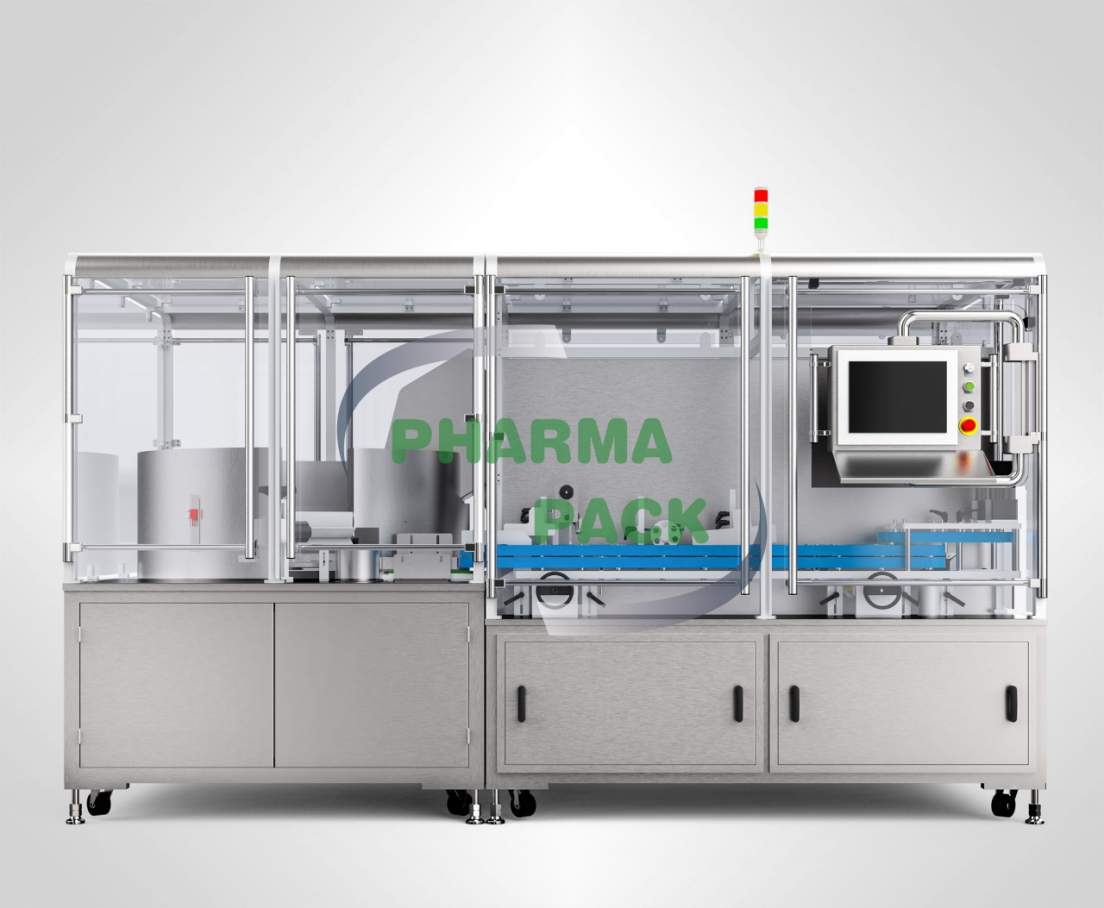
A bottle unscrambler machine plays an important role in pharmaceutical, healthcare, food, and cosmetic packaging. It organizes randomly positioned containers and delivers them in a consistent orientation for filling, capping, labeling, and other downstream operations. At Pharmapack, we recognize that reliable startup procedures are essential for maintaining stable bottle flow and reducing avoidable downtime.
Why Do Bottle Unscramblers Jam Shortly After Startup?
Early jams often occur when machine settings do not match the containers being processed. A guide rail adjusted for one bottle size may restrict another, while an incorrectly positioned transfer component can interrupt the flow of containers.
Feeding conditions are another common factor. If too many bottles enter the sorting area at once, they may overlap or accumulate. If the supply is insufficient, the machine may operate intermittently and fail to maintain a consistent output.
Problems can also arise from loose components, contaminated sensors, insufficient compressed air, or poor coordination between the unscrambler and downstream conveyor. Identifying these conditions before production begins is more efficient than repeatedly stopping the line to clear blockages.
Essential Startup Checks for a Bottle Unscrambler Machine
1. Confirm Bottle Compatibility and Changeover Settings
Before switching on the machine, verify that the current bottle dimensions match the equipment configuration. Diameter, height, shape, and container stability can all affect how bottles move through the sorting mechanism.
Check guide rail clearance, sorting components, and transfer positions against the specifications for the selected bottle. After a changeover, make sure all adjustable parts are secured and no unnecessary gaps or obstructions remain.
This check is particularly important when a production line handles several bottle formats. Even small dimensional differences can cause containers to tilt, collide, or become trapped at narrow transfer points.
2. Inspect the Feeding Area and Conveyor
Check the hopper, elevator, sorting area, and discharge conveyor for leftover bottles, foreign objects, and accumulated debris. Make sure containers can enter the machine without obstruction and that the conveyor path is clear.
The discharge section deserves special attention because bottles must transfer smoothly from the unscrambler to the next piece of equipment. Misalignment or an unsuitable conveyor speed can create congestion even when the unscrambler itself is functioning correctly.
Confirm that the downstream machine is ready to receive bottles before allowing the line to reach full speed.
3. Verify Sensors and Safety Devices
Sensors help detect bottle accumulation, missing containers, and abnormal operating conditions. Dirty sensor surfaces, loose connections, or incorrect positioning can lead to false signals and unexpected stops.
Inspect accessible sensors and confirm that safety guards, emergency stops, and interlocks function according to the machine's operating instructions. Never bypass safety devices to keep production running.
4. Check Utilities and Mechanical Conditions
Confirm that the power supply and compressed air meet the requirements of the selected model. Where pneumatic components are used, insufficient air pressure may prevent mechanisms from operating consistently.
Listen for unusual noise and look for visible signs of loose fasteners, worn components, or abnormal vibration. Complete any required lubrication and maintenance checks according to the manufacturer's instructions before starting production.
Why Plastic Bottle Unscramblers Need Careful Adjustment
A plastic bottle unscrambler must accommodate differences in container weight, stiffness, shape, and surface friction. Lightweight plastic bottles may tip over or become compressed when excessive pressure builds up between containers. Thin walled bottles can be especially sensitive to poorly adjusted guides or crowded feeding conditions.
For these applications, operators should pay close attention to bottle accumulation, sorting speed, and transfer stability. Start with a controlled feed and observe how containers move through each stage before increasing the operating speed.
It is also important to test representative bottles rather than relying exclusively on empty machine operation. A successful dry run confirms basic movement, but actual containers are necessary to evaluate orientation, spacing, and the risk of jams.
Use a Controlled Trial Before Full Speed
After completing the preliminary checks, run the bottle unscrambler at a suitable initial speed. Observe whether bottles enter the sorting area consistently, emerge in the correct orientation, and transfer onto the conveyor without falling or accumulating.
If a jam occurs, stop the equipment according to the operating procedure and identify its exact location before making adjustments. Repeatedly restarting the machine without addressing the cause can lead to further interruptions.
Once the flow is stable, gradually increase the speed while monitoring the receiving equipment. Record successful settings for each bottle format so operators can reproduce them during future changeovers.
Build a More Reliable Startup Routine with Pharmapack
Preventing early jams begins with matching machine settings to the bottle, checking critical components, and confirming that the complete packaging line is ready to operate. These steps help reduce unnecessary stoppages and support consistent production from the beginning of each shift.
Pharmapack offers bottle unscrambler solutions for different container specifications and production requirements. For example, our LFU-25C model has a maximum rated output of 250 bottles per minute, depending on bottle size and operating conditions. Actual performance should be evaluated against the requirements of the complete line.
By combining appropriate equipment selection with disciplined startup checks, manufacturers can improve bottle handling reliability and maintain a smoother transition from unscrambling to filling and packaging.