How to Prevent Surface Scuffs on Decorated Bottles with a Bottle Unscrambler Machine
For cosmetic brands, packaging is part of the product experience. A bottle with a glossy finish, metallic coating, printed logo, or decorative pattern must maintain its appearance throughout manufacturing. Even minor scratches or scuffs can affect visual quality, create additional inspection work, and increase rejection rates.
These problems can begin before filling, when empty bottles are sorted and transferred through automated equipment. Choosing the right bottle unscrambler machine and adjusting its handling process can help manufacturers protect decorated containers while maintaining consistent production.
At Pharmapack, we understand that effective bottle handling requires more than achieving the desired output speed. Container protection, equipment compatibility, and stable material flow all deserve attention when planning an automated packaging line.
Why Decorated Cosmetic Bottles Are More Prone to Scuffing
Cosmetic packaging comes in a wide range of materials and finishes. Some containers use transparent PET plastic, while others feature colored coatings, printed graphics, metallic effects, or soft touch surfaces. Although these finishes improve product presentation, they may also make surface damage more noticeable.
Scuffs can occur when bottles rub against one another, contact hard guide rails, or repeatedly strike machine components during sorting. Excessive accumulation on a conveyor can increase friction between containers, while poorly adjusted transfer points may cause localized scratches.
The timing of decoration also matters. Bottles that have already been printed, coated, or otherwise finished may require more careful handling than undecorated containers. Manufacturers should therefore assess the condition of the packaging before selecting unscrambling equipment and defining operating parameters.
How a Bottle Unscrambler Machine Can Reduce Surface Damage
A bottle unscrambler machine automatically organizes randomly positioned containers and transfers them into a consistent orientation for downstream processing. During this process, the way bottles move through the equipment can influence the risk of surface damage.
Control Bottle Contact and Accumulation
When too many containers enter a sorting area at once, they may press against one another or become trapped near the discharge section. This can increase rubbing and impact, particularly when bottles have delicate decorative finishes.
Controlled feeding helps maintain a manageable bottle supply. Operators should also check whether the discharge rate matches the conveyor and the next machine. A balanced flow reduces unnecessary accumulation and helps containers move through the system more smoothly.
Check Contact Surfaces and Guide Settings
Guide rails, transfer plates, and other contact points should be suitable for the bottle material and shape. Misaligned guides or excessive clearance can allow containers to collide or move unpredictably. Conversely, guides that are too tight may create friction or restrict movement.
Regular inspection helps identify worn surfaces, sharp edges, residue, and other conditions that may contribute to scuffing. Where appropriate, manufacturers can evaluate compatible low friction contact materials and protective components with the equipment supplier.
Balance Production Speed with Container Protection
Increasing machine speed does not always improve effective production output. If faster operation causes more collisions, jams, or rejected bottles, the resulting losses may outweigh the throughput benefit.
Testing different operating speeds with actual decorated containers helps identify a suitable balance. Manufacturers should observe the bottle path, inspect surfaces after discharge, and confirm that the selected settings remain stable during sustained operation.
When to Consider a Rotary Bottle Unscrambler
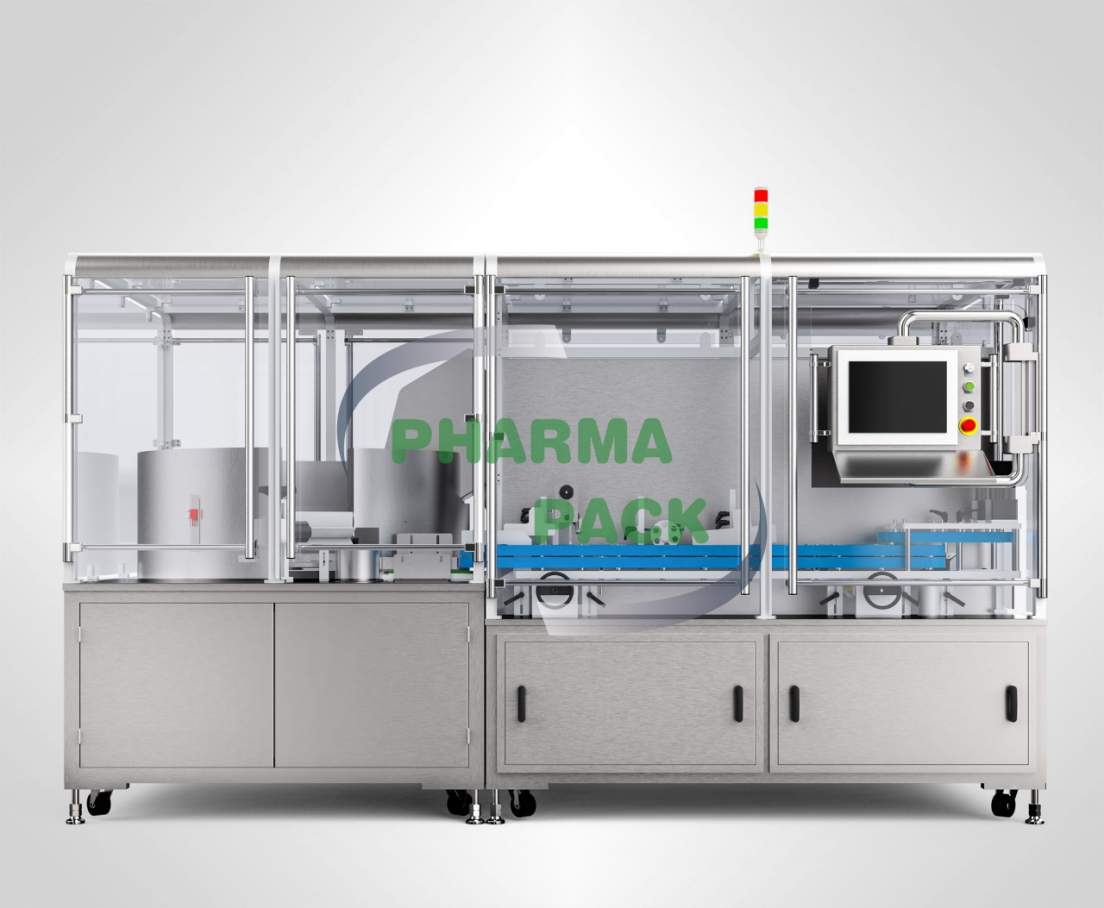
A rotary bottle unscrambler uses a rotating mechanism to help organize containers and feed them into a defined output path. Depending on its design, it can also provide a buffering area that supports a more consistent supply to downstream equipment.
For cosmetic packaging applications, the key consideration is whether the rotary design suits the container's dimensions, shape, weight, and surface finish. Round bottles may behave differently from square or irregular containers during rotation. Lightweight plastic bottles may also respond differently from heavier glass containers.
Before selecting a rotary bottle unscrambler, manufacturers should review how containers enter the rotating area, how they are separated, and how they transfer onto the conveyor. A trial using production representative bottles can reveal potential contact points and help determine whether the equipment handles decorated surfaces appropriately.
Rotary operation alone does not guarantee scratch free handling. The result depends on the complete machine design, contact materials, feeding conditions, and operating settings.
Practical Checks Before Running a Production Batch
Preventing scuffs requires a repeatable inspection process rather than relying on visual checks after a full batch has been completed.
Before production, operators should inspect the unscrambler, conveyor, guides, and transfer points for contamination or surface wear. A small amount of dust or hardened residue may increase friction and leave visible marks on finished packaging.
During trial runs, inspect bottles at several stages, including machine discharge and entry into the filling area. Comparing these samples helps identify where damage first appears. If scuffing is concentrated in one location, review the contact geometry, bottle spacing, and movement speed at that point.
It is also important to establish consistent changeover procedures. When switching between bottle sizes or decorative finishes, verify guide positions and relevant operating parameters before restarting full production. Recording inspection results and adjustments makes it easier to reproduce successful settings.
Choosing the Right Equipment for Your Cosmetic Packaging Line
At Pharmapack, we offer bottle handling equipment for integration into automated packaging lines, including turntables and high speed bottle unscramblers. Our equipment range supports different production requirements, so selection should begin with the actual container specifications and line configuration.
For manufacturers handling decorated cosmetic bottles, important evaluation criteria include bottle size compatibility, discharge stability, contact surface design, changeover requirements, and coordination with filling, capping, and labeling equipment. These factors should be assessed together to determine whether a machine can meet both throughput and packaging quality requirements.
A practical equipment trial is particularly valuable when containers have premium finishes. By evaluating real bottles under representative operating conditions, manufacturers can identify potential risks before committing to routine production.
Protecting Packaging Quality from the First Production Step
Surface scuffs on decorated cosmetic bottles can originate during the earliest stages of automated handling. A suitable bottle unscrambler machine, carefully adjusted guides, controlled feeding, and regular inspection can help reduce unnecessary friction and impact.
For applications requiring a rotary bottle unscrambler, manufacturers should evaluate the entire handling process rather than focusing on rotation speed alone. At Pharmapack, we encourage customers to consider container protection and production efficiency together when planning their packaging systems. The right equipment configuration helps support consistent bottle flow while preserving the appearance that cosmetic brands expect from their packaging.