Cotton Inserter Sensor Checks: Detecting Missing Cotton Before Capping
In pharmaceutical packaging, every step must be completed correctly before a bottle moves to the next station. When cotton is used to protect tablets, capsules, or other dry medicinal products inside bottles, an incomplete insertion process can affect packaging consistency and create additional quality control work. Detecting missing cotton before capping helps manufacturers identify process issues early and maintain a more reliable production flow.
At Pharmapack, we understand that effective cotton insertion depends on more than speed. Equipment control, sensor performance, and coordination with downstream machines all contribute to consistent packaging. Understanding how these elements work helps manufacturers choose a suitable cotton inserter and establish practical inspection procedures.
Why Missing Cotton Detection Matters
Cotton is commonly inserted into pharmaceutical bottles to help protect the contents during handling and transportation. If a bottle passes through the insertion station without cotton, the packaging may not meet the intended production requirements.
When missing cotton is discovered only after capping, correcting the issue can require additional inspection, bottle reopening, product handling, or rework. On a high speed line, even occasional insertion failures can become more difficult to manage as production volume increases.
Early detection allows operators to identify problems closer to their source. It also helps distinguish between an isolated insertion error and a recurring equipment issue, such as inconsistent cotton feeding, incorrect positioning, or a malfunctioning sensor.
How Sensors Support Cotton Insertion Accuracy
A modern cotton inserting machine uses coordinated mechanical movements and control signals to transfer cotton into bottles. Sensors can support this process by monitoring specific operating conditions and helping the machine respond when an expected condition is not detected.
In a typical cotton insertion sequence, cotton is fed forward, cut to the required length, transferred into a guide tube, and pushed into the bottle by an insertion mechanism. Detection at the appropriate stages helps confirm that the process is progressing as intended.
For example, a sensor may monitor cotton presence at a designated position. If the expected cotton is not detected, the control system can respond according to the machine's programmed logic. Depending on the equipment configuration, this may involve stopping the process, generating an alarm, or preventing the affected bottle from advancing.
It is important to distinguish between detecting cotton at an intermediate station and confirming that cotton has actually entered the bottle. These are different inspection objectives. Manufacturers should verify which conditions their selected machine monitors and whether additional inspection or rejection functions are required.
Common Sensor Problems and How to Check Them
Sensor related problems do not always indicate a failed component. Cotton dust, misalignment, loose connections, incorrect settings, or unstable cotton feeding can also affect detection performance.
During routine maintenance, operators should inspect sensor surfaces and mounting positions according to the manufacturer's instructions. Accumulated dust or debris should be removed using an approved cleaning method. Electrical connections, cables, and sensor indicators should also be checked for visible damage or abnormal behavior.
Functional testing is equally important. Operators can run controlled tests using approved procedures to verify whether the machine responds correctly when cotton is present or absent at the monitored position. Any alarm or interlock should be checked against the intended operating sequence.
If false alarms occur repeatedly, review cotton feeding consistency, sensor alignment, and control parameters before replacing components unnecessarily. Maintenance personnel should document recurring faults and confirm that corrective actions resolve the underlying cause.
Preventing Missing Cotton Before the Capping Station
Sensor checks work best when they form part of a broader process control strategy. Cotton quality, feeding stability, insertion timing, and bottle positioning all influence the final result.
Manufacturers should use cotton materials suitable for the machine's feeding and cutting mechanism. The feeding path should remain clear, and the cotton length should be adjusted according to the application requirements. Bottle positioning must also be consistent so that the insertion mechanism can reach the intended location.
Before production begins, operators should verify the insertion sequence and test the machine under controlled conditions. During operation, they should monitor alarms, inspect samples at appropriate intervals, and investigate any increase in insertion errors.
Coordination with the capping station is another important consideration. Where the line design supports it, missing cotton detection should be linked to suitable stop, reject, or interlock logic. This helps prevent bottles with identified insertion faults from proceeding automatically to capping.
Choosing a Cotton Inserter for Your Production Line
When evaluating a cotton inserter, pharmaceutical manufacturers should consider bottle dimensions, cotton specifications, required production speed, control functions, and compatibility with existing equipment.
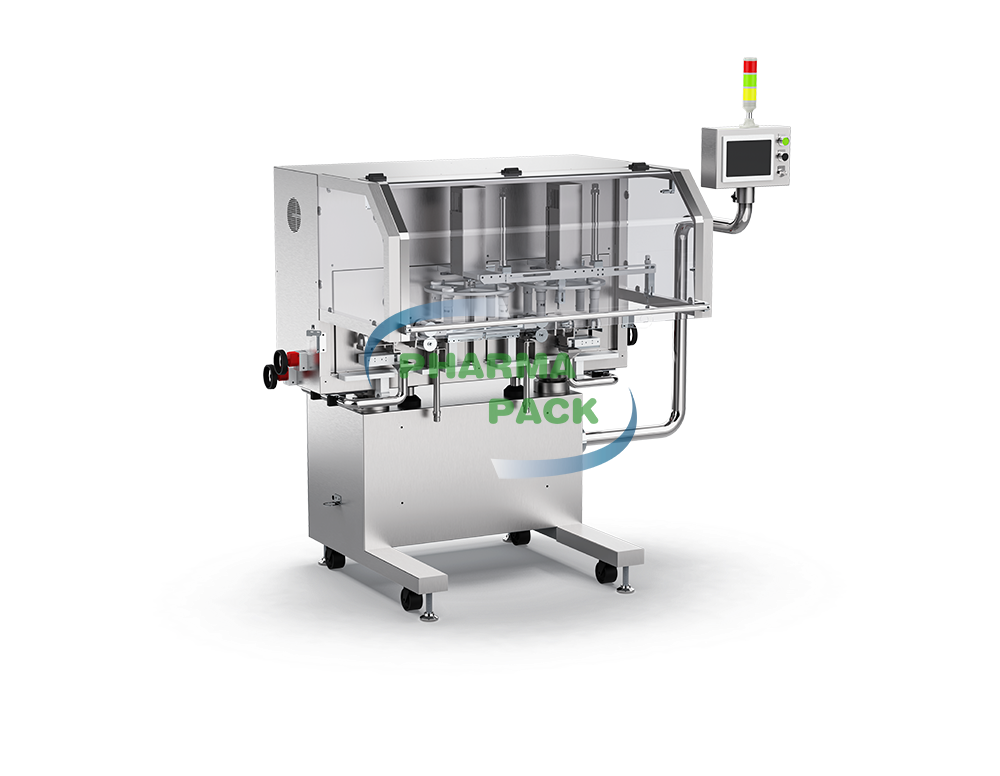
Pharmapack's LFIC-20 High Speed Cotton Inserter is designed for bottles containing tablets, pills, capsules, and other dry medicinal products. Its maximum production speed is 200 bottles per minute, depending on product size. The machine uses a servo motor and LFIC control system for controlled operation and can be integrated with automatic tablet or capsule counters, cappers, sealers, labelers, and cartoners.
Buyers should confirm the available sensor functions, alarm responses, and any required rejection or interlocking features with the supplier before purchase. These details help ensure that the equipment matches the actual inspection requirements of the production line.
Building a More Consistent Bottling Process
Detecting missing cotton before capping requires coordination between reliable feeding, accurate insertion, appropriate sensor checks, and downstream control. Routine testing and timely maintenance help manufacturers identify problems early and reduce avoidable rework.
Pharmapack provides cotton insertion equipment designed for integration into pharmaceutical packaging lines. By evaluating sensor functions alongside production requirements, manufacturers can select a cotton inserting machine that supports consistent operation and more effective process control.