How Bottle Unscrambler Machine Exit Spacing Affects the Entire Production Line
In automated bottling, small changes in bottle spacing can have a noticeable impact on the entire production process. When bottles leave an unscrambler too closely together, too far apart, or at an inconsistent pace, downstream equipment may struggle to maintain stable operation. Filling delays, conveyor congestion, and unnecessary stops can all result from an issue that begins at the line entrance.
For manufacturers investing in a bottle unscrambler machine, exit spacing deserves as much attention as sorting speed and machine capacity. Understanding how bottle spacing affects downstream operations helps production teams improve line coordination, reduce interruptions, and maintain consistent output.
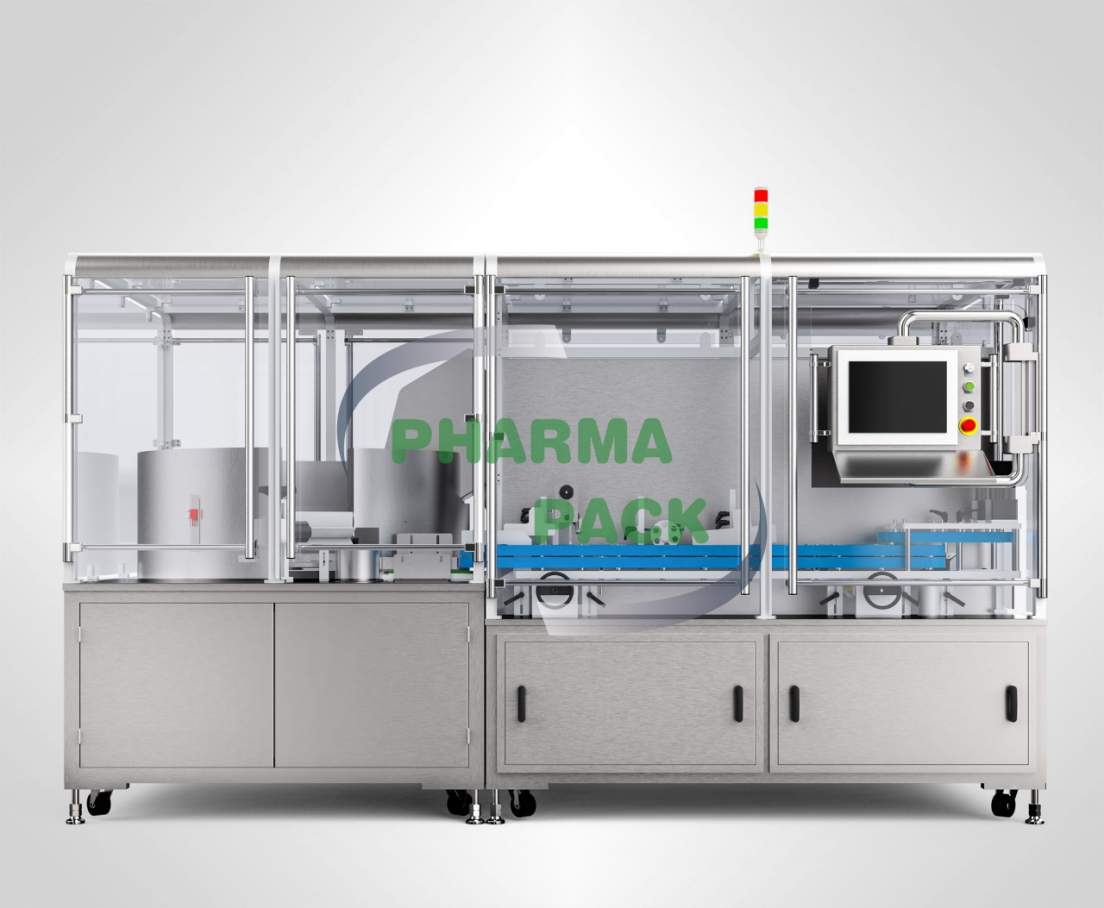
Why Exit Spacing Matters in Bottle Handling
A bottle unscrambler machine organizes randomly oriented containers and delivers them upright onto a conveyor. However, successful orientation is only part of the process. Bottles must also leave the machine at a suitable distance from one another to match the requirements of the next production stage.
If bottles exit too close together, they may collide, lean against each other, or create pressure at transfer points. If spacing is too wide, the conveyor may carry fewer bottles than expected, reducing the effective output of the line.
Consistent spacing creates a predictable flow of containers. This allows filling, capping, labeling, and packaging equipment to receive bottles at a pace that supports stable operation. Rather than evaluating the unscrambler in isolation, manufacturers should consider how its output fits into the performance of the complete bottling line.
How Poor Spacing Affects Downstream Equipment
Filling and Capping Operations
Filling machines depend on a consistent supply of containers. Irregular spacing can leave empty positions beneath filling heads or cause bottles to arrive before the equipment is ready. Depending on the line configuration, these problems may lead to missed fills, reduced throughput, or temporary stops.
Capping equipment faces similar challenges. Bottles must enter the capping section in a controlled sequence so that caps can be applied accurately. Unstable bottle flow can disrupt synchronization between container movement and cap application.
Labeling and Packaging Efficiency
Labeling machines require bottles to pass through the labeling station in a predictable position and sequence. Crowded containers can interfere with separation and positioning, while excessive gaps may reduce equipment utilization.
The same principle applies to secondary packaging. Cartoning and case packing equipment often operate according to specific container counts and timing requirements. When upstream spacing varies significantly, downstream equipment may need to compensate, making the entire line more difficult to manage.
Conveyor Congestion and Unplanned Stops
Exit spacing also affects the conveyor itself. When the unscrambler releases bottles faster than the next machine can accept them, containers may accumulate near transfer points. Excessive accumulation can trigger sensors, activate stop mechanisms, or require operator intervention.
The opposite situation can also be problematic. If the unscrambler delivers bottles too slowly, downstream machines may experience starvation. Both conditions can reduce overall line efficiency, even when individual machines are operating as designed.
What Determines the Right Exit Spacing?
There is no universal spacing setting suitable for every bottling application. The appropriate distance depends on container dimensions, shape, material, conveyor speed, and the operating requirements of downstream equipment.
Bottle diameter is particularly important because it influences how closely containers can travel without touching or becoming unstable. Lightweight plastic bottles may behave differently from heavier containers, especially when their bases are narrow or their bodies are flexible.
The required production rate also matters. A high speed filling line may need a more carefully controlled bottle flow than a slower line with greater buffering capacity. Manufacturers should therefore evaluate the unscrambler and downstream equipment together rather than selecting spacing based on machine speed alone.
Special Considerations for a PET Bottle Unscrambler Machine
A PET bottle unscrambler machine must account for the characteristics of lightweight plastic containers. PET bottles can deform under excessive pressure, particularly when they are empty, thin walled, or designed with lightweight structures. Closely packed bottles may also become unstable when moving through curves, guides, or transfer sections.
For these applications, stable conveying and appropriate guide adjustment are essential. Exit spacing should support smooth movement without creating unnecessary bottle to bottle pressure. The transition from the unscrambler to the conveyor should also minimize sudden changes in direction or speed.
Manufacturers handling multiple PET bottle sizes should consider how quickly the equipment can be adjusted for different formats. A setup that works well for a small round bottle may not provide the same flow characteristics for a larger or more irregular container.
How to Evaluate and Improve Exit Spacing
A practical assessment begins with observing the bottle flow under normal production conditions. Operators should check whether containers leave the unscrambler consistently, whether gaps change as the conveyor fills, and whether accumulation occurs before the next machine.
It is also useful to compare the actual output of the unscrambler with the receiving capacity of downstream equipment. If the two are poorly matched, adjusting conveyor speed, guides, or control settings may help. Sensor positioning and transfer geometry should also be reviewed when spacing appears inconsistent.
Any adjustment should be tested across representative bottle sizes and production speeds. Monitoring jams, line stops, bottle deformation, and downstream waiting time provides a clearer picture of whether the change improves performance.
Choosing a Bottle Unscrambler with the Whole Line in Mind
At Pharmapack, bottle handling should be evaluated as part of an integrated production system. When selecting a bottle unscrambler machine, manufacturers should consider not only rated output but also container compatibility, discharge stability, changeover requirements, and coordination with filling and packaging equipment.
Reviewing these factors early can help reduce integration challenges and support more reliable production. By giving exit spacing the attention it deserves, manufacturers can create a smoother flow of containers from the unscrambler to the final packaging stage.
Consistent bottle spacing is not simply a machine setting. It is an important part of maintaining line balance, protecting container quality, and achieving dependable bottling performance.