Bottle Unscrambler Machine Self Diagnostics: Faults Servo Control Can Detect
In pharmaceutical packaging, consistent bottle orientation and reliable feeding are essential for maintaining production efficiency. When bottles become misaligned, jammed, or incorrectly positioned, the entire packaging line may slow down or stop. A bottle unscrambler machine equipped with servo control and self diagnostic functions can help operators identify potential problems earlier, reduce unnecessary downtime, and maintain stable bottle handling.
For pharmaceutical manufacturers, understanding what servo control can detect is an important step toward improving equipment maintenance and production reliability. As a pharma machine supplier, Pharmapack recognizes the value of combining precise mechanical movement with practical fault monitoring to support demanding packaging operations.
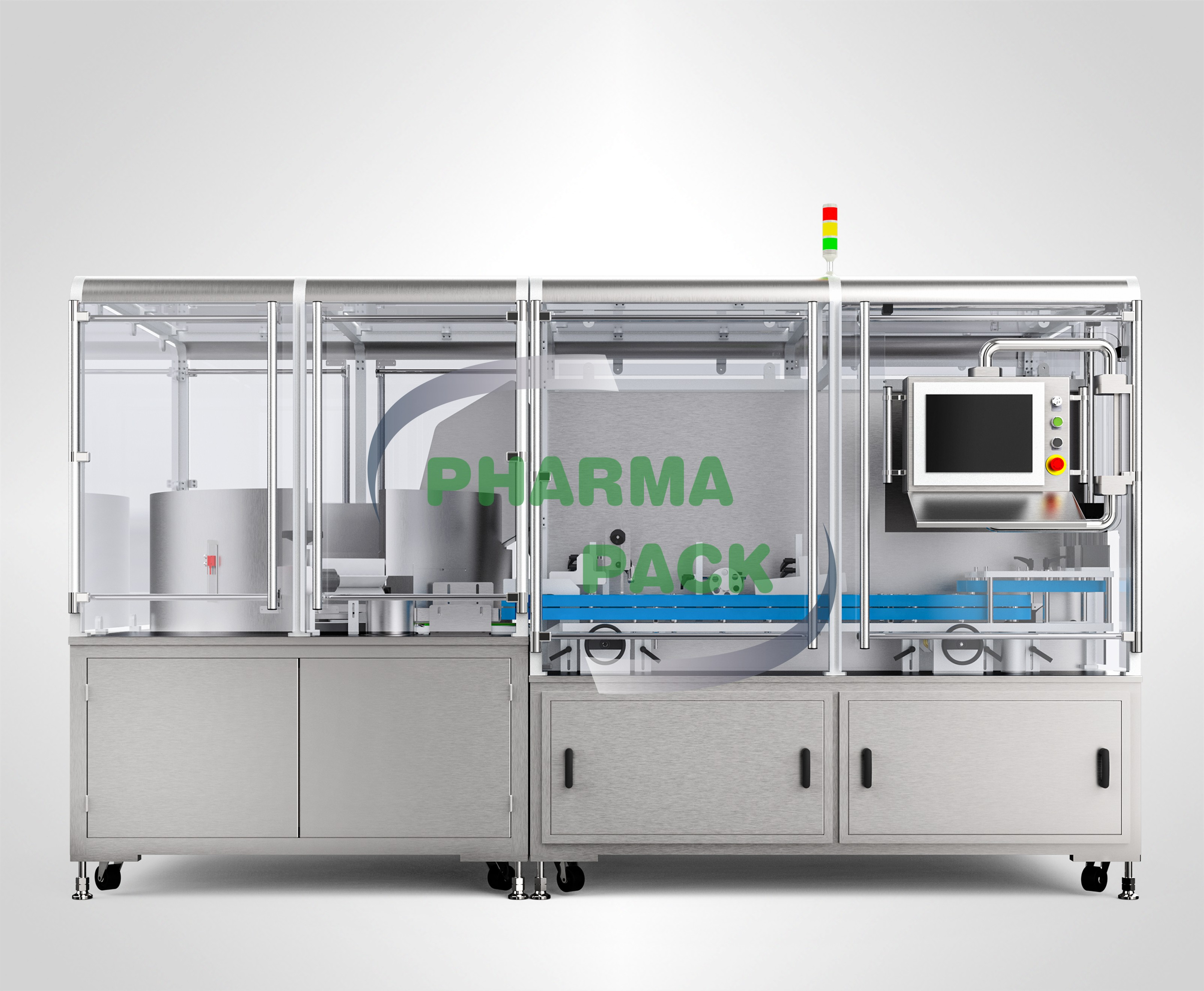
How Servo Control Supports Bottle Unscrambling
A bottle unscrambler takes randomly positioned bottles, organizes them into the correct orientation, and feeds them into the downstream packaging line. This process requires coordinated movement, accurate positioning, and consistent bottle transfer.
Servo control uses feedback to monitor the position and movement of a motor, helping the machine maintain its intended operating parameters. Depending on the system configuration, the controller can identify deviations between commanded and actual movement, as well as certain drive or communication faults.
When integrated with the machine's control system, these signals can help operators distinguish between a routine production interruption and a potential equipment problem. Instead of relying entirely on visual inspection, operators can use alarm messages and status information to narrow down the cause of a fault.
Common Faults a Bottle Unscrambler Machine Can Flag
Servo Positioning Errors
A servo motor may fail to reach its target position because of excessive mechanical resistance, an obstruction, an incorrect parameter setting, or a problem with the feedback system. The drive may report a position error when the difference between the commanded position and actual position exceeds an established limit.
For a bottle unscrambler machine, positioning errors can affect the coordination of rotating discs, transfer mechanisms, or other controlled components. Identifying these deviations helps maintenance personnel investigate whether the problem originates from the motor, transmission, mechanical load, or control settings.
Motor Overload and Excessive Current
Servo drives can monitor motor current and detect overload conditions. Excessive current may indicate that a mechanism is encountering abnormal resistance or that the motor is operating beyond its configured limits.
Possible causes include bottle jams, worn mechanical components, insufficient lubrication, or an incorrectly adjusted mechanism. However, an overload alarm does not automatically identify the exact cause. Operators should inspect the relevant components and follow the equipment manufacturer's troubleshooting procedures before restarting production.
Encoder and Feedback Faults
Encoders provide feedback about motor position and movement. If the encoder signal is interrupted, inconsistent, or outside the expected range, the servo system may generate a feedback alarm.
These faults can affect positioning accuracy and the coordination of moving parts. Checking encoder connections, cables, connectors, and drive diagnostics can help maintenance teams identify the source of the problem.
Communication and Drive Alarms
Modern packaging equipment may connect servo drives with a programmable logic controller through an industrial communication network. Communication interruptions, drive faults, or power supply problems can prevent the control system from receiving the information needed for normal operation.
Depending on the configuration, the machine may display an alarm, stop the affected movement, or initiate a controlled shutdown. Clear alarm information can reduce troubleshooting time and help operators determine which component requires attention.
How Operators Should Respond to Servo Alarms
A diagnostic alarm is useful only when it leads to an appropriate response. When a bottle unscrambler machine stops unexpectedly, operators should first record the alarm code and check the displayed status. They should then follow the equipment's operating instructions and isolate the machine safely before inspecting any moving components.
The next step is to determine whether the issue is electrical, mechanical, or related to bottle feeding. Check for visible obstructions, abnormal resistance, loose connections, and unusual motor behavior where safe to do so. After correcting the cause, restart the machine according to the manufacturer's procedure and verify that bottles are being oriented and transferred consistently.
Operators should also document recurring alarms. Repeated positioning errors or overload warnings may indicate an underlying maintenance issue that requires more attention than a simple reset.
What Self Diagnostics Cannot Detect
Servo monitoring improves fault visibility, but it does not replace comprehensive machine inspection. A servo drive may not detect every bottle jam, damaged container, worn belt, or alignment problem. Some mechanical issues can develop without triggering an alarm, especially when the motor remains within its configured operating limits.
For this reason, preventive maintenance remains essential. Regularly inspecting belts, bearings, guides, sensors, and bottle contact surfaces helps identify wear before it affects production. Alarm thresholds should also be configured appropriately for the machine and application, rather than adjusted simply to prevent nuisance warnings.
Choosing a Bottle Unscrambler from a Pharma Machine Supplier
When evaluating a pharma machine supplier, manufacturers should look beyond production speed. The availability of clear alarm messages, accessible diagnostic information, reliable technical support, and straightforward changeover procedures can significantly influence daily operations.
Bottle compatibility is another important consideration. Different bottle dimensions, shapes, and materials can affect feeding stability and handling requirements. Buyers should confirm the equipment's supported bottle range, expected output, changeover requirements, and integration with downstream filling and packaging equipment.
Pharmapack's LFU-25C is designed to orient bulk bottles and transfer them to downstream conveyors through coordinated handling mechanisms. The published specifications include a maximum output of 250 bottles per minute, depending on bottle size, and support for round and square bottles within the specified dimensional range. These details provide a practical starting point when evaluating equipment suitability for a packaging line.
Manufacturers should discuss diagnostic functions and available control configurations directly with Pharmapack to confirm which monitoring capabilities are included in the proposed machine.
Improving Packaging Reliability Through Better Fault Monitoring
Self diagnostics can help pharmaceutical packaging teams identify servo positioning errors, overload conditions, feedback interruptions, and drive communication problems before troubleshooting becomes unnecessarily time consuming. However, effective fault management depends on accurate alarm interpretation, regular maintenance, and appropriate operator training.
By considering both diagnostic capabilities and mechanical performance,
manufacturers can make more informed equipment decisions. Pharmapack supports pharmaceutical packaging operations with bottle unscrambling solutions designed around production requirements, bottle compatibility, and downstream integration. Selecting the right bottle unscrambler machine can help businesses establish a more consistent and maintainable packaging process.