Cotton Inserter Cleaning: Key Areas That Require Routine Attention
In pharmaceutical packaging, clean equipment is essential for maintaining product quality, consistent operation, and production efficiency. A cotton inserter places cotton into bottles to help protect tablets and capsules during storage and transportation. Because cotton fibers can accumulate around moving parts and contact surfaces, routine cleaning is necessary to keep the machine operating reliably.
For pharmaceutical manufacturers evaluating a cotton inserter, understanding which areas require regular attention can help establish an effective maintenance routine. Pharmapack provides packaging equipment designed for pharmaceutical production, helping manufacturers address practical requirements for hygiene, operational stability, and efficient packaging processes.
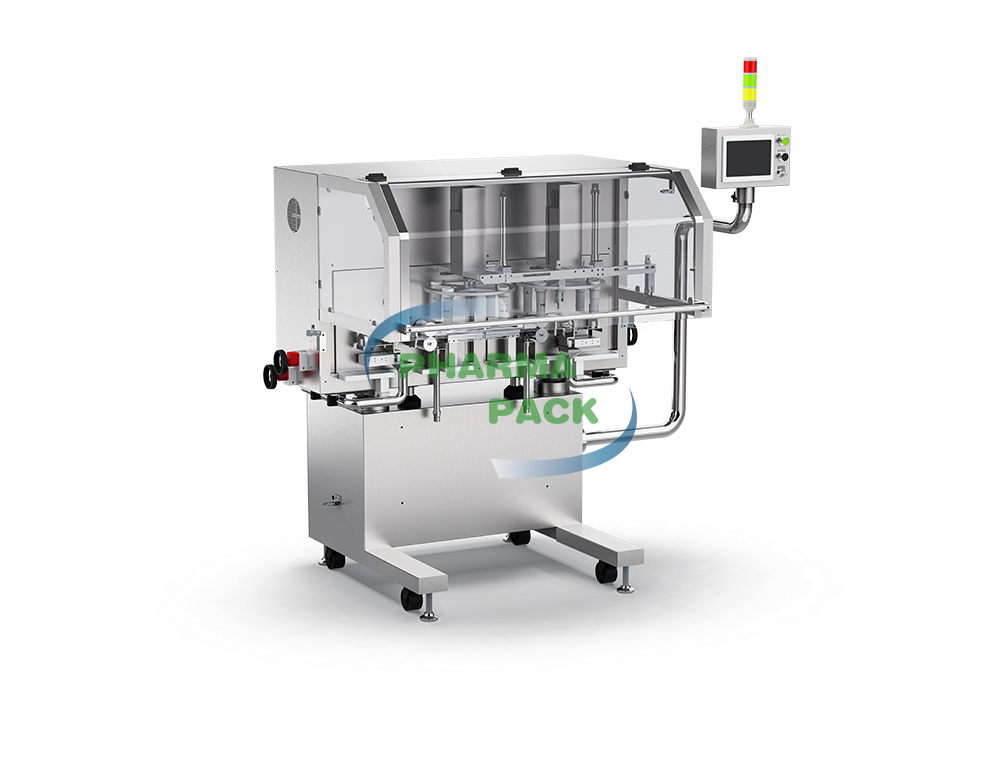
Why Routine Cleaning Matters for a Cotton Inserter
During continuous operation, loose cotton fibers and dust may collect around the feeding mechanism, insertion components, and other machine surfaces. If these materials accumulate, they can interfere with cotton feeding, cause inconsistent insertion, or increase the frequency of production interruptions.
Cleaning also supports contamination control in pharmaceutical packaging environments. Although the appropriate cleaning procedure depends on the equipment design and production requirements, operators should follow established sanitation procedures and the manufacturer's instructions.
A consistent cleaning schedule helps identify abnormal wear, loose components, and material buildup before they affect production. Rather than waiting for a problem to appear, manufacturers can incorporate cleaning into routine equipment inspections.
Key Areas That Need Routine Attention
1. Cotton Feeding and Storage Components
The cotton feeding area is one of the first places to inspect. Loose fibers may accumulate where cotton is stored, separated, or transferred toward the insertion mechanism. Excessive buildup can affect the smooth movement of cotton and lead to inconsistent feeding.
Operators should remove visible fibers and inspect accessible surfaces for residue. Feeding components should also be checked for damage or obstruction that could interfere with material delivery. Cleaning methods should be compatible with the machine materials and the type of cotton used in production.
2. Cotton Cutting and Separation Mechanisms
Depending on the machine design, cutting or separation components may help prepare cotton for insertion into bottles. These areas can collect fibers during repeated production cycles, potentially affecting the amount and consistency of cotton delivered.
Routine attention should focus on removing accumulated fibers and checking that relevant components move freely. Before cleaning, operators should stop the machine and follow the specified isolation procedures. Sharp edges and moving mechanisms require particular care during inspection.
3. Cotton Insertion Head and Contact Surfaces
The insertion head performs the central task of placing cotton into bottles. Residual fibers around the insertion point may interfere with the process, especially when the equipment operates at high production speeds.
Clean the accessible insertion surfaces according to the manufacturer's instructions. Check for visible residue, damaged parts, or signs of irregular movement. Any disassembly should be performed only by trained personnel using the approved procedure.
For pharmaceutical applications, cleaning requirements should also reflect the product, packaging materials, and applicable quality procedures.
4. Bottle Handling and Transfer Components
Bottle guides, positioning mechanisms, and transfer areas can collect dust or loose fibers during production. Buildup in these locations may affect bottle positioning or create obstacles as containers move through the packaging line.
Operators should inspect accessible bottle contact surfaces and remove accumulated material. They should also verify that guides and transfer components remain properly aligned. If the cotton inserter operates as part of an integrated packaging line, cleaning procedures should account for the surrounding equipment and material transfer points.
5. External Surfaces and Hard to Reach Areas
The machine exterior, frame, control panel surroundings, and gaps around equipment covers can collect dust over time. Although these areas may not directly contact cotton or bottles, keeping them clean helps maintain an orderly production environment.
Use suitable cleaning materials and avoid introducing excess moisture into electrical components. Particular attention should be given to corners, joints, and accessible spaces where fibers may remain unnoticed. Compressed air should only be used when permitted by the manufacturer's instructions and the facility's contamination control procedures, since uncontrolled airflow may spread fibers.
How to Establish an Effective Cleaning Routine
An effective cleaning program combines daily attention with scheduled inspections. At the end of each production run, operators can remove visible cotton residue, inspect critical feeding and insertion components, and record any unusual findings. More detailed cleaning and maintenance should follow the equipment manufacturer's recommended intervals.
Before cleaning, ensure the machine is stopped and isolated from its energy sources as required. Use approved tools and cleaning agents, allow components to dry when necessary, and confirm that guards and removable parts are correctly restored before restarting production.
A written checklist can help standardize these activities across shifts. Records of cleaning, maintenance, and recurring problems also make it easier to identify patterns and improve equipment availability.
Choosing a Cotton Inserter for Easier Maintenance
Cleaning requirements should be considered when selecting pharmaceutical packaging equipment. Manufacturers can evaluate component accessibility, the ease of removing accumulated fibers, the clarity of maintenance instructions, and the compatibility of the machine with their production environment.
When comparing a China cotton inserter machine, buyers should also examine its compatibility with bottle sizes, cotton materials, production capacity, and the wider packaging line. Clear technical documentation and responsive after sales support can help operators establish suitable cleaning and maintenance practices.
Pharmapack offers pharmaceutical packaging equipment for manufacturers seeking practical solutions for their production processes. Before choosing a machine, buyers should discuss their bottle specifications, packaging requirements, and cleaning expectations with the equipment supplier.
Maintaining Reliable Performance Through Consistent Cleaning
Routine cleaning is an important part of cotton inserter maintenance. Paying attention to cotton feeding components, separation mechanisms, insertion heads, bottle handling areas, and external surfaces helps reduce material buildup and supports consistent operation.
For pharmaceutical manufacturers, the most effective approach combines manufacturer approved cleaning procedures, regular inspections, and clear maintenance records. With suitable equipment and a disciplined cleaning routine, Pharmapack helps manufacturers consider hygiene, reliability, and production efficiency as part of their pharmaceutical packaging equipment selection process.