Bottle Unscrambler Machine Jam Reduction: Are Bottle Issues or Machine Settings to Blame?
In automated packaging lines, frequent bottle jams can interrupt production, reduce output, and increase the need for operator intervention. When bottles become stuck, overlap, or enter the conveyor incorrectly, the immediate assumption may be that the bottles themselves are defective. However, the real cause can also lie in machine settings, feeding speed, or the coordination between different components.
For manufacturers evaluating a bottle unscrambler machine, understanding the difference between bottle related problems and setup issues is essential for maintaining stable production. At Pharmapack, we recognize that effective troubleshooting begins with identifying the source of the problem rather than repeatedly adjusting the equipment without a clear diagnosis.
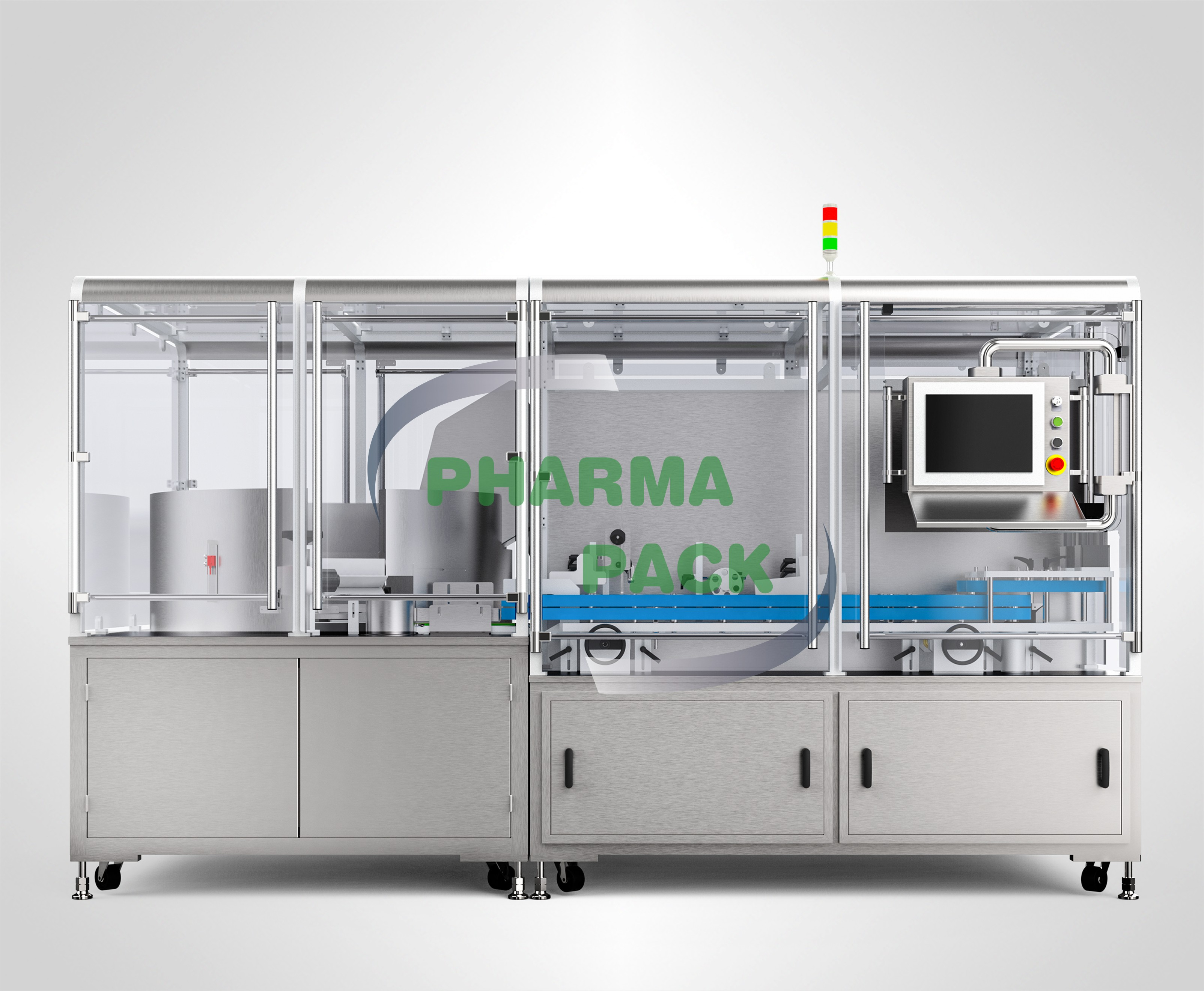
Why Do Bottle Unscrambler Machines Experience Jams?
A bottle unscrambler machine organizes randomly oriented bottles and delivers them to the downstream filling or packaging process in a consistent position. Its performance depends on the interaction between bottle characteristics, mechanical design, and operating parameters.
Jams may occur when bottles cannot move smoothly through the feeding, orienting, and discharge stages. Bottles may collide, tilt, become trapped at transfer points, or accumulate faster than the next machine can accept them.
These symptoms can look similar even when the underlying causes are different. Therefore, operators should examine both the bottles and the equipment before making adjustments.
When Is the Bottle Itself the Problem?
Bottle quality and dimensional consistency have a direct influence on unscrambling performance. Variations that seem minor during manual inspection can become significant when thousands of containers pass through an automated system.
Inconsistent Bottle Dimensions
Differences in bottle diameter, height, shoulder shape, or base dimensions can affect how containers move through guide rails and orientation mechanisms. Bottles that fall outside the machine's intended specifications may become wedged or fail to enter the discharge channel correctly.
Deformed or Unstable Containers
Lightweight plastic bottles can deform under pressure, while uneven bases may cause containers to wobble or tip over. Surface irregularities, damaged edges, and inconsistent wall thickness can also affect smooth movement.
Excessive Static or Surface Friction
Some plastic containers accumulate static electricity, causing them to cling to one another or to nearby surfaces. High friction between bottles and contact surfaces can further disrupt feeding, especially when containers are lightweight or have unusual shapes.
When jams repeatedly occur with a particular bottle batch but disappear with another, checking bottle dimensions, deformation, material, and surface condition is a practical first step.
When Is the Problem Caused by Machine Setup?
If bottles meet the required specifications, the next step is to investigate machine settings and operating conditions. Incorrect adjustments can create unnecessary pressure, restrict movement, or overload downstream equipment.
Incorrect Feeding Speed
Excessive feeding speed can cause bottles to accumulate faster than the orienting mechanism or discharge conveyor can handle them. Conversely, a poorly coordinated speed setting may create inconsistent flow and repeated stoppages.
Operators should verify that the unscrambler speed matches the capacity of the connected filling line and other downstream equipment.
Improper Guide Rail Adjustment
Guide rails that are too narrow may squeeze bottles and create friction. Rails that are too wide may allow containers to tilt, rotate unexpectedly, or collide. Adjustments should follow the equipment specifications and suit the dimensions of the actual bottles being processed.
Poor Coordination Between Machines
A bottle unscrambler does not operate independently in most production environments. If the downstream conveyor or filling machine stops frequently, bottles may accumulate at the discharge point and trigger a jam. In this situation, increasing the unscrambler's speed will not solve the underlying issue and may make the accumulation worse.
Insufficient Cleaning and Maintenance
Residue, dust, worn contact components, and loose mechanical parts can interfere with bottle movement. Regular inspection and cleaning help prevent avoidable interruptions and make recurring problems easier to identify.
A Practical Method for Diagnosing Bottle Jams
A structured troubleshooting process is more reliable than changing several parameters at once. First, record where the jam occurs and whether it happens consistently with the same bottle type or batch. Next, inspect the affected containers for dimensional variation, deformation, and damage.
Then, check guide rail alignment, feeding speed, discharge conditions, and communication between connected machines. Make one adjustment at a time and observe whether the frequency of jams changes. Record the results so that recurring issues can be traced to a specific cause.
For safety, operators should follow the machine's operating instructions and isolate power before accessing hazardous moving parts or performing maintenance.
What Should Buyers Look for in Unscrambler Machine Manufacturers?
Selecting suitable equipment can reduce troubleshooting demands from the beginning. When comparing unscrambler machine manufacturers, buyers should look beyond nominal production speed and consider how well the machine accommodates their containers and production environment.
Important considerations include compatibility with bottle dimensions and materials, stable feeding performance, accessible adjustment points, ease of cleaning, and integration with downstream equipment. Buyers should also ask about changeover procedures, maintenance requirements, technical support, and the availability of testing with actual production bottles.
A machine designed around the intended container specifications and line capacity is generally easier to operate consistently than one selected on speed alone.
Improving Production Stability with Pharmapack
Reducing bottle jams requires a clear understanding of the relationship between container quality, equipment settings, and the wider packaging line. A bottle that does not meet specifications may cause mechanical problems, but so can an incorrectly adjusted guide rail, an unsuitable feeding speed, or a downstream bottleneck.
Pharmapack provides bottle unscrambling solutions for packaging applications, helping manufacturers consider container handling and production requirements when selecting equipment. By evaluating bottle characteristics, operating conditions, and line integration together, manufacturers can make more informed equipment decisions and develop a more consistent troubleshooting process.
The most effective way to reduce jams is to identify the cause before changing the settings. With systematic inspection, appropriate equipment selection, and regular maintenance, manufacturers can reduce unnecessary stoppages and support smoother packaging operations.